SSU, SBI and National Police shut down eleven mobilisation evasion schemes in several regions of Ukraine
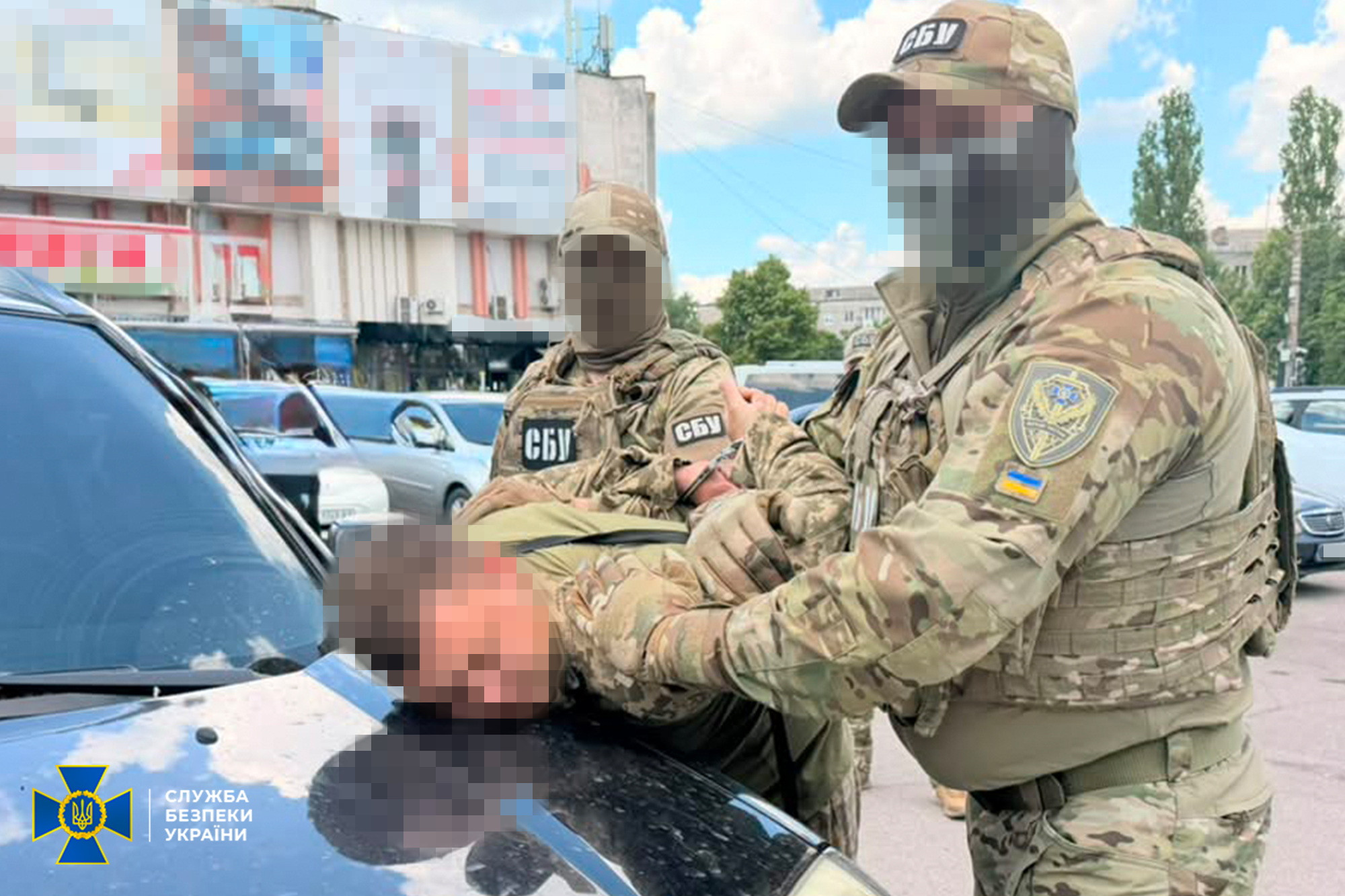
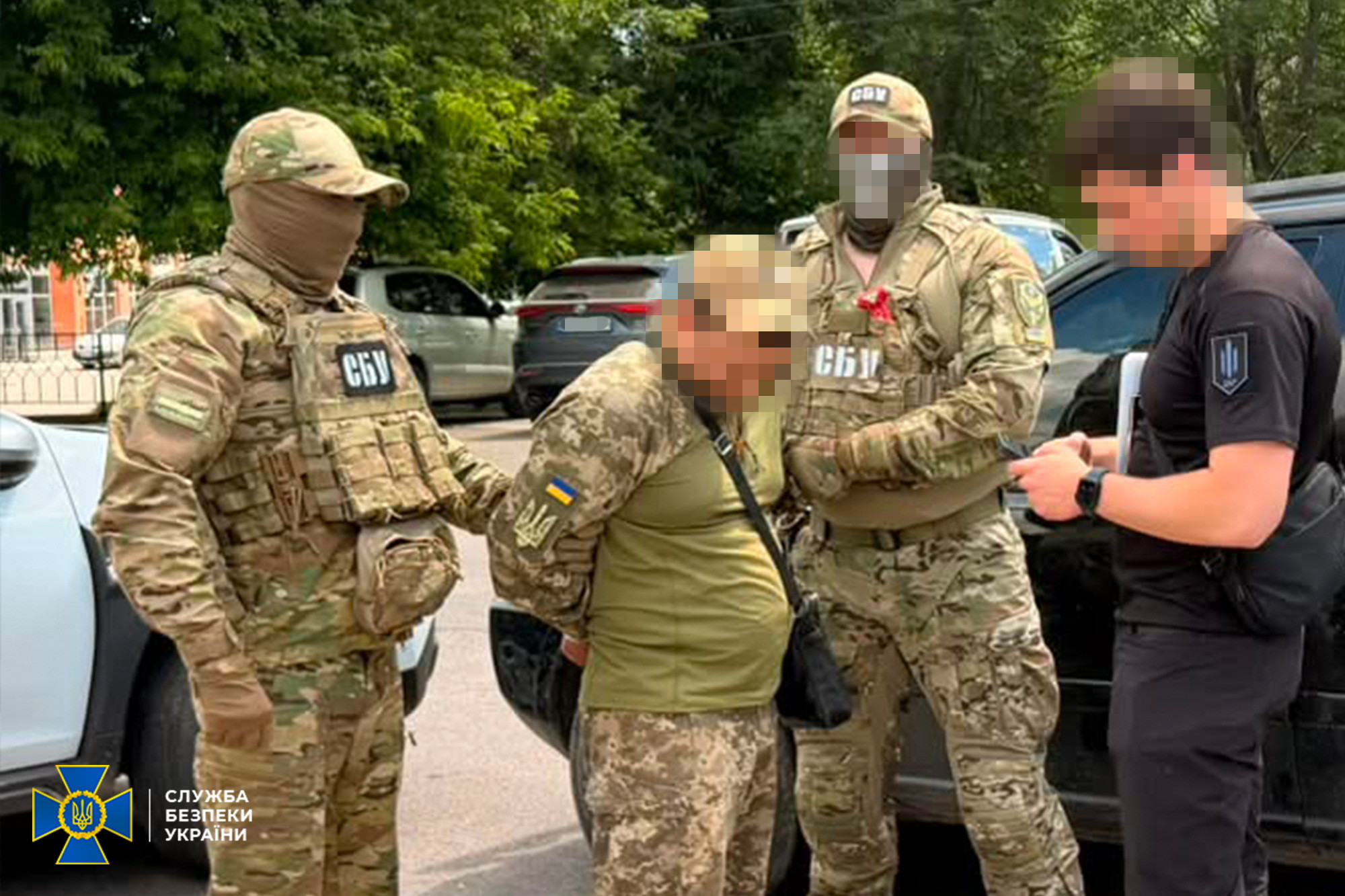
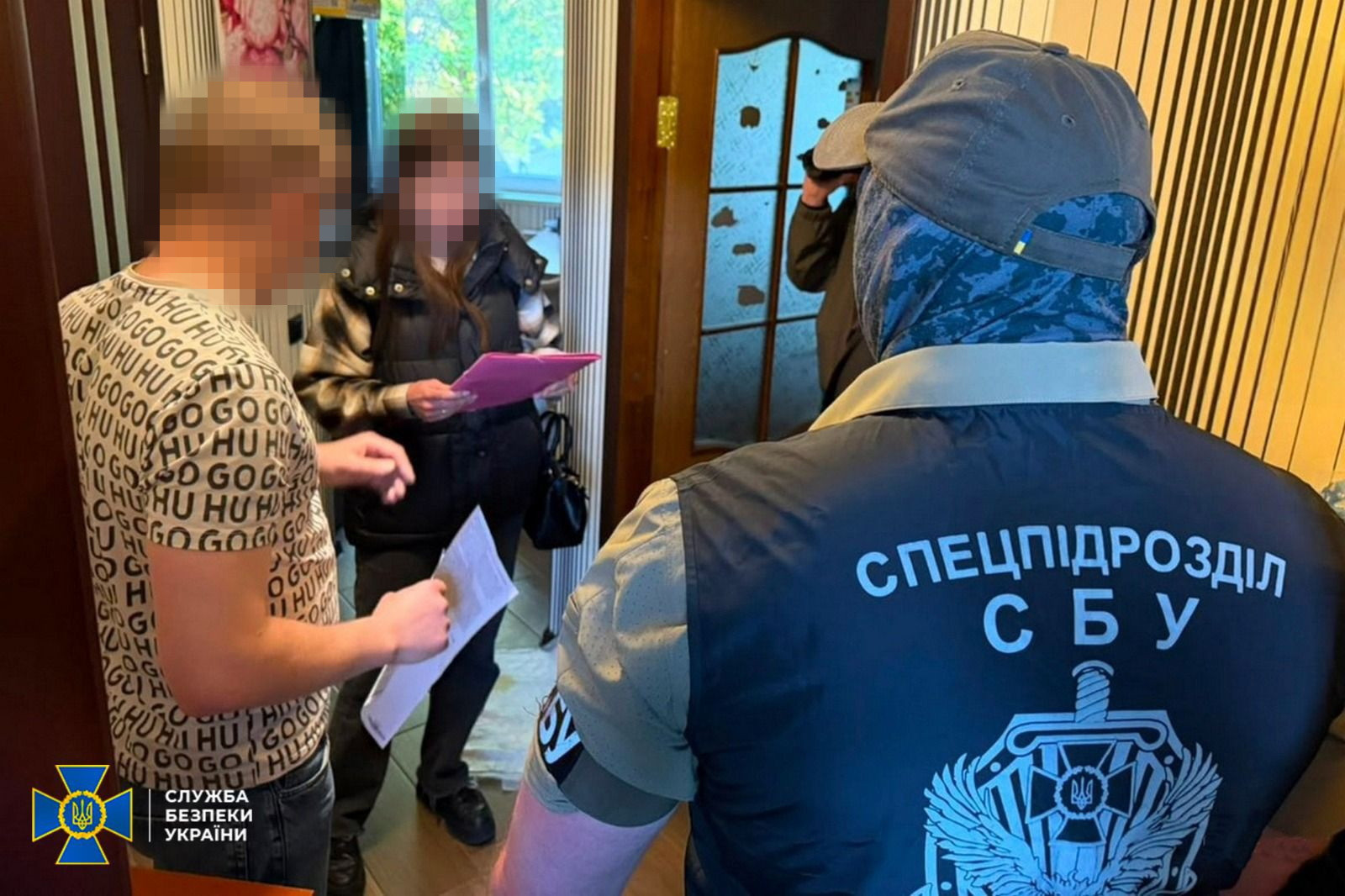
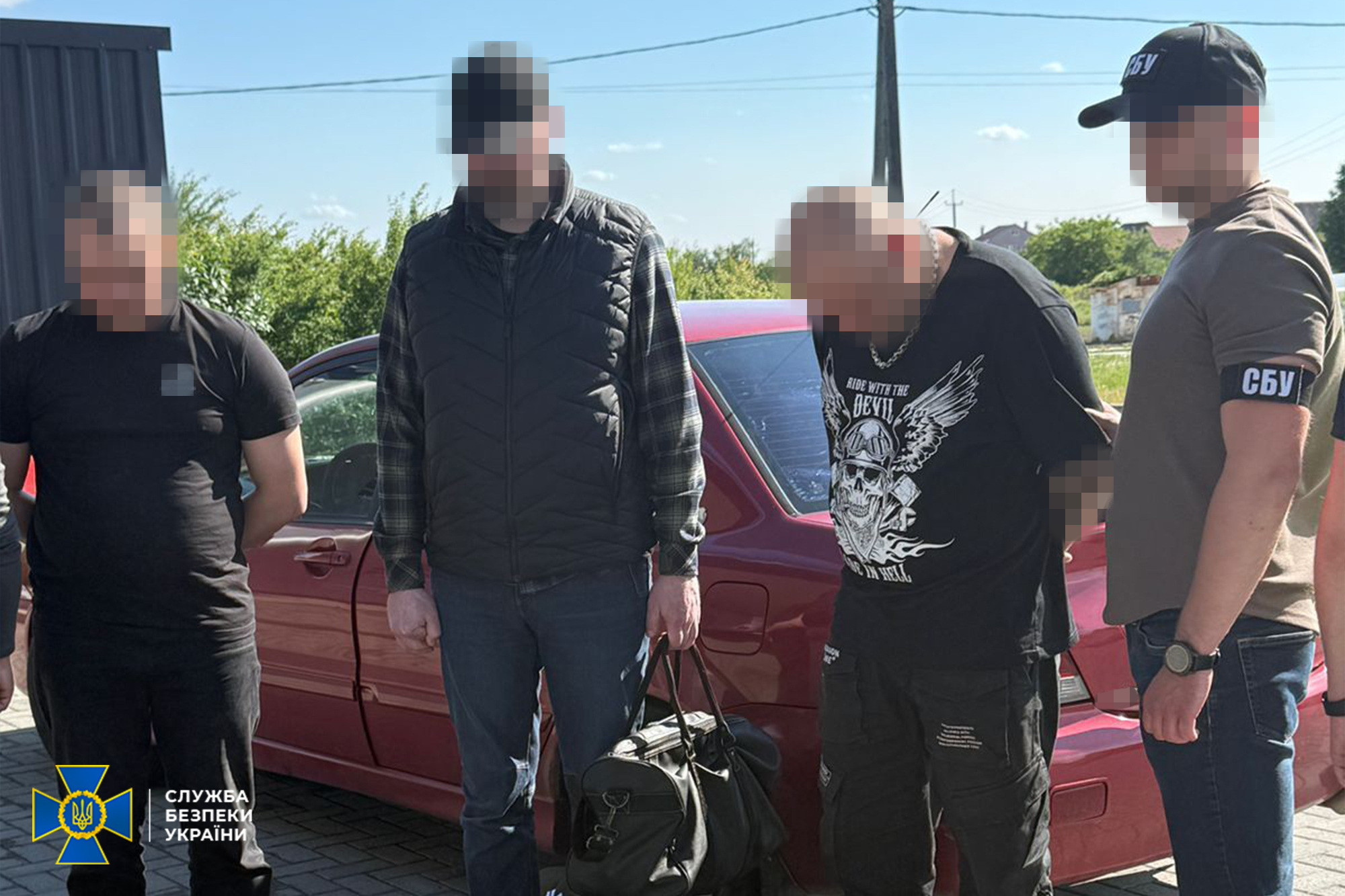
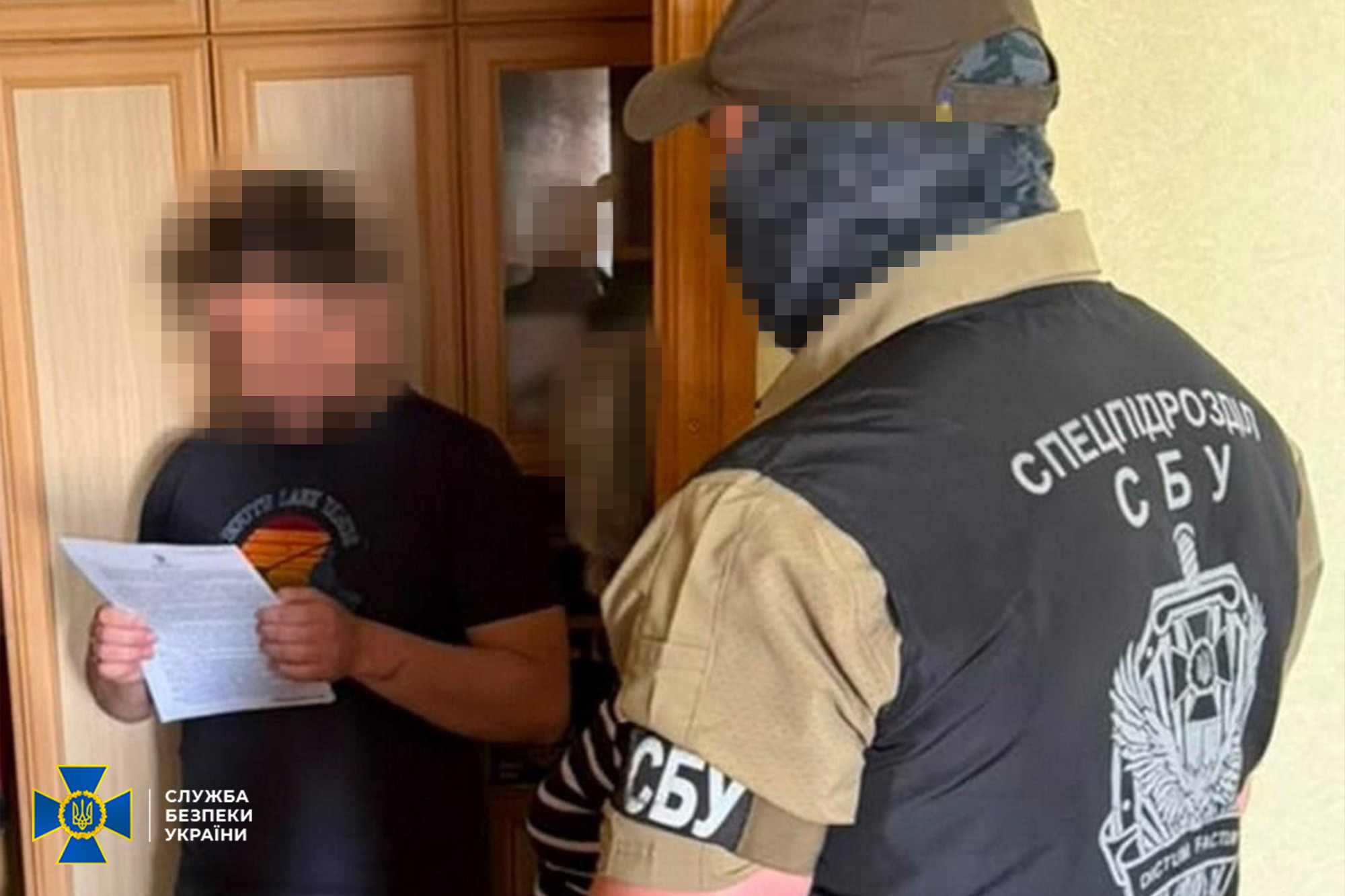
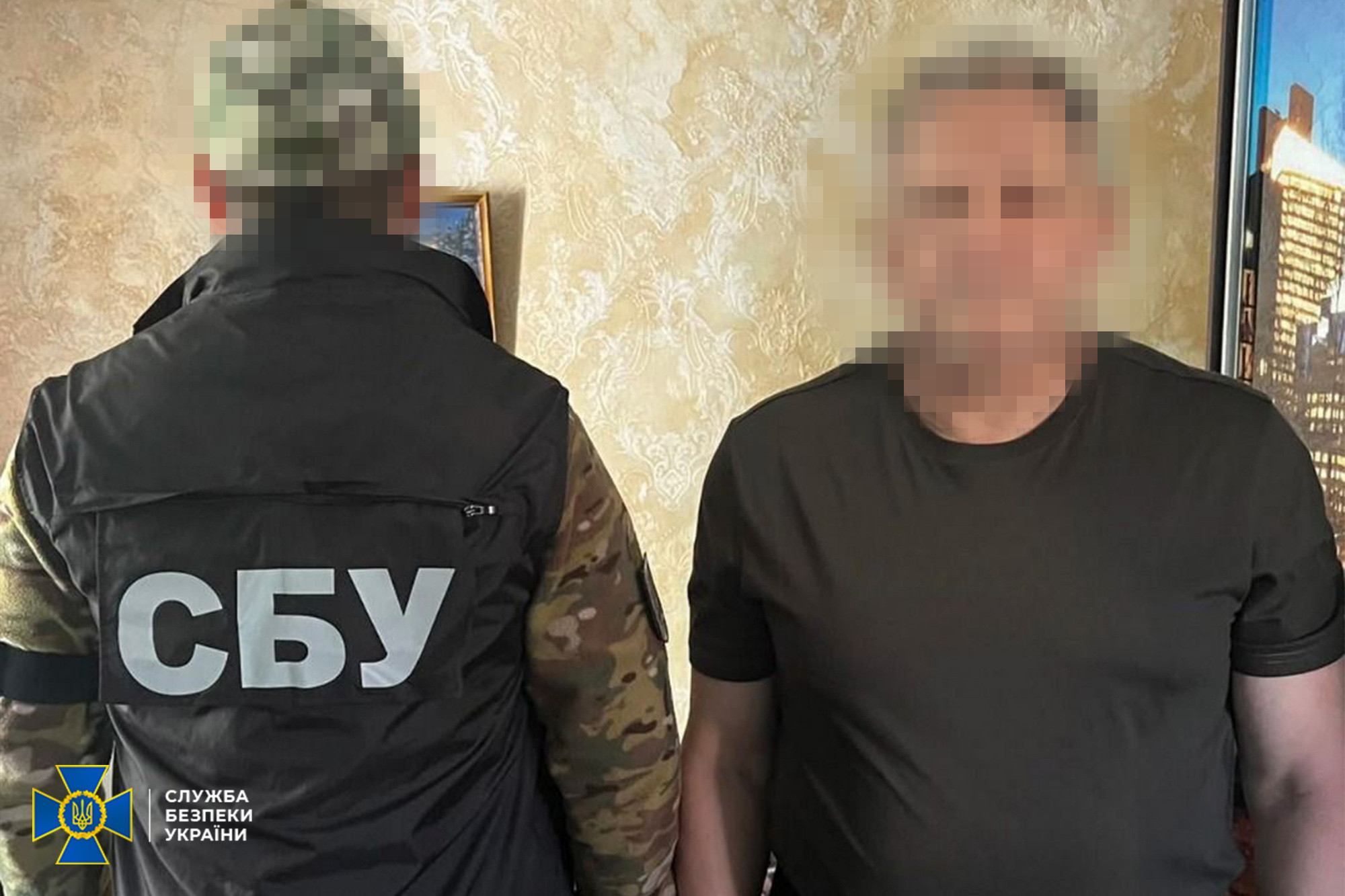
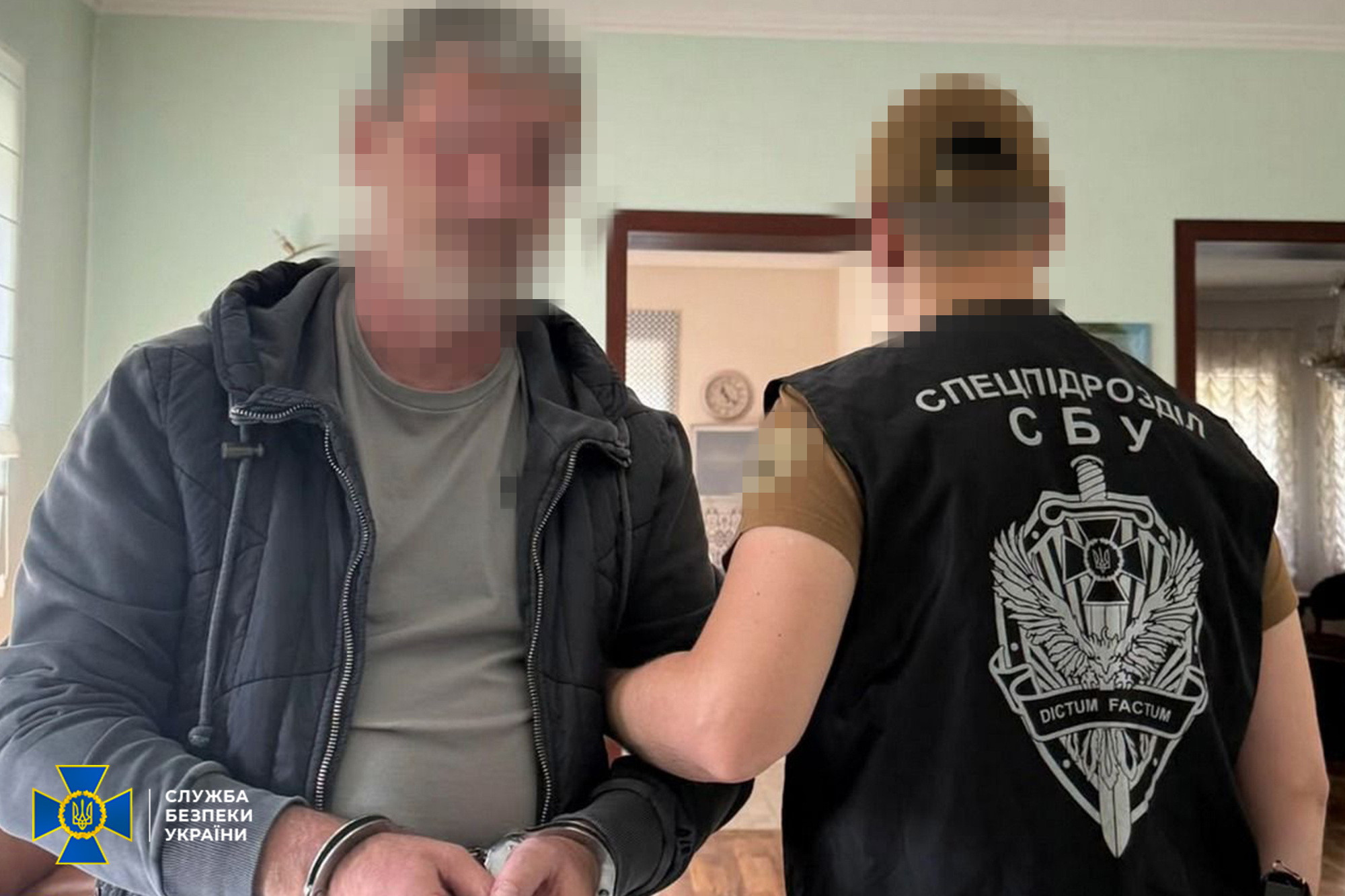
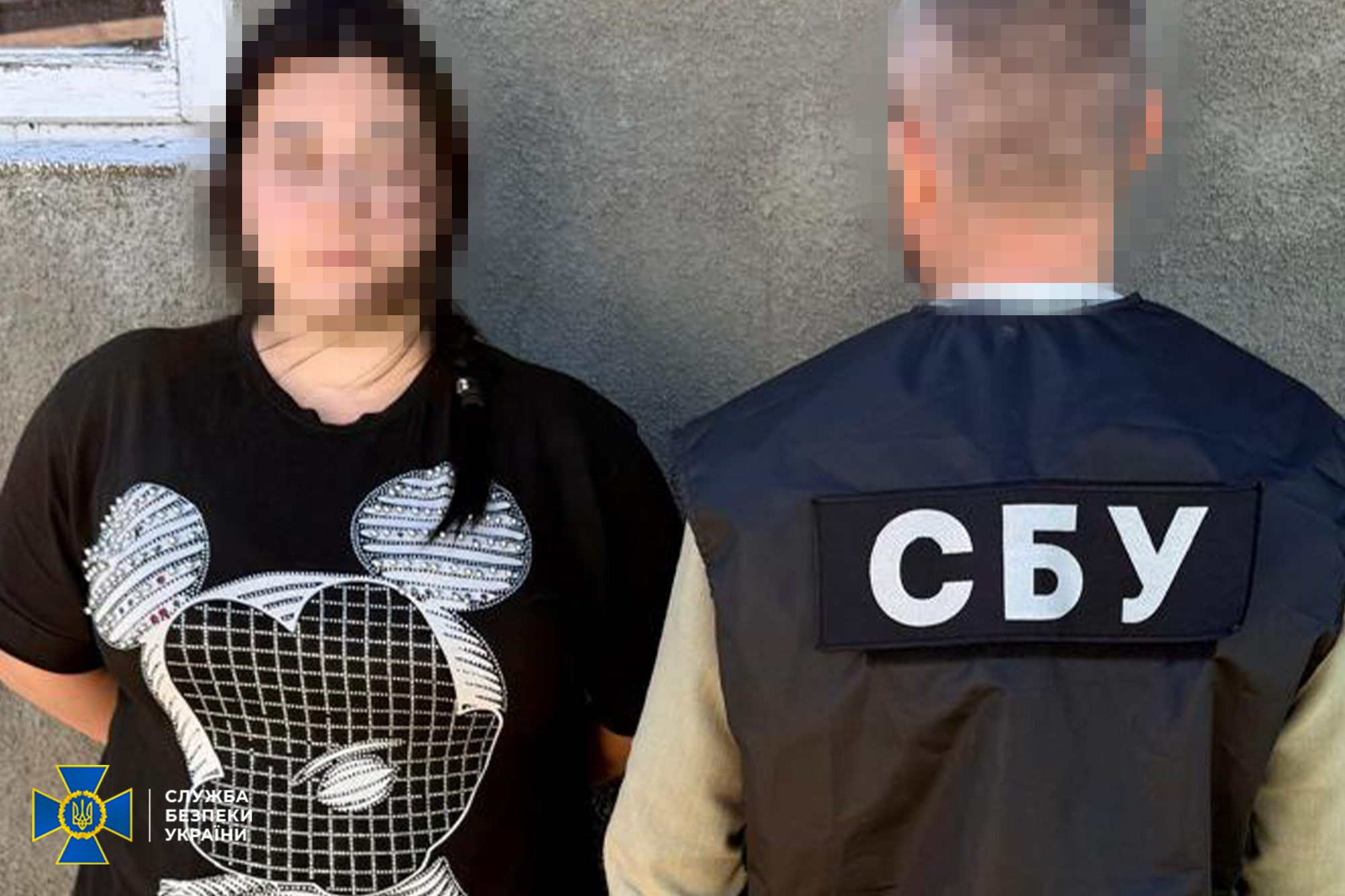
The Security Service, the State Bureau of Investigation and the National Police have foiled eleven new schemes to evade mobilisation and detained the organisers operating in several regions of Ukraine.
For sums ranging from USD 3,500 to 38,000 they offered conscripts the chance to evade conscription using forged documents or helped them flee abroad via unauthorised border crossings.
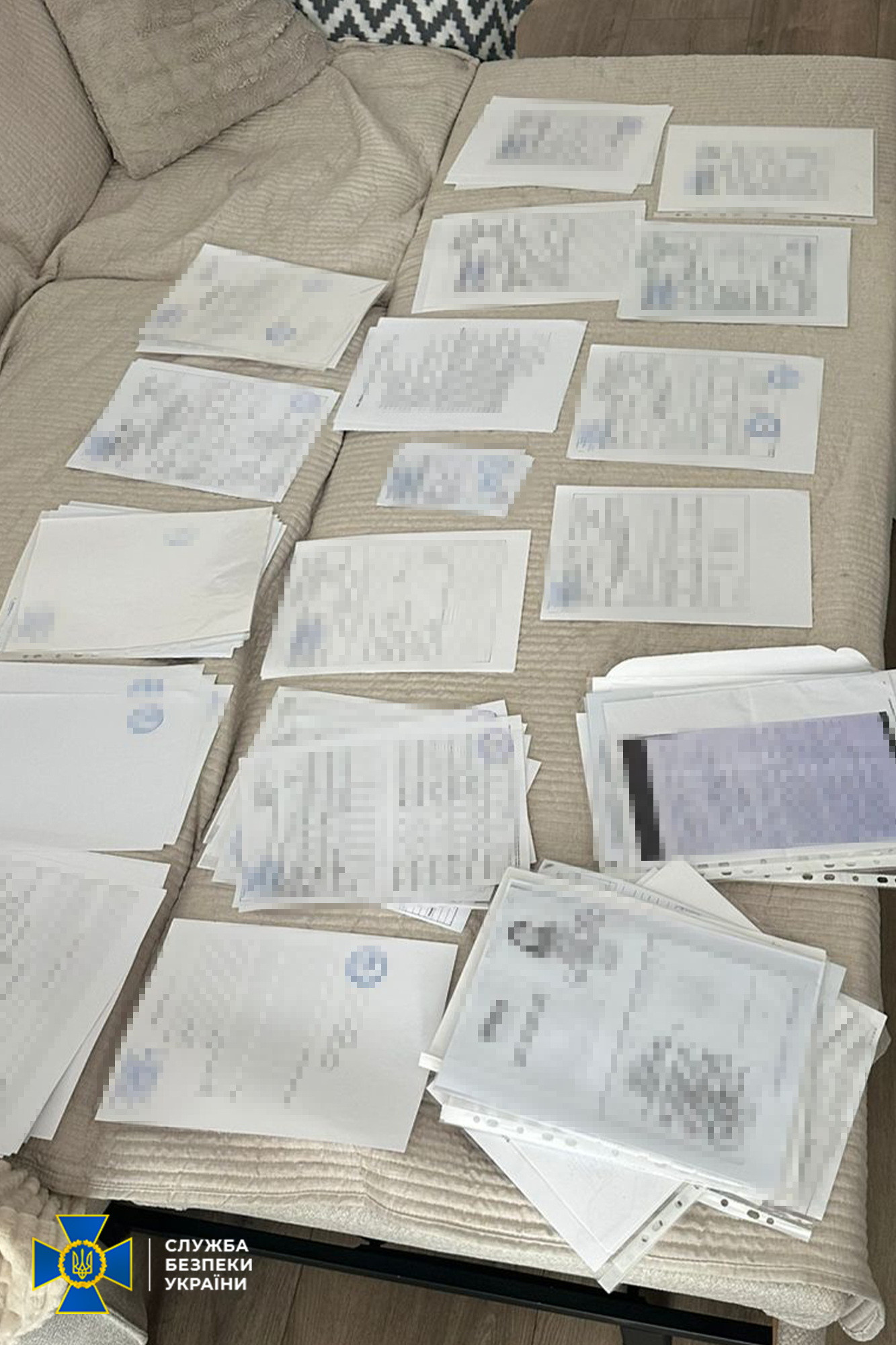
In the Kharkiv region, the SSU Military Counterintelligence exposed a GP and three accomplices who were registering draft dodgers for ‘inpatient treatment’ and subsequently providing falsified medical reports detailing serious diagnoses.
Four fraudsters were also detained in the regional capital who had registered fictitious secondary education institutions and arranged for draft dodgers to be employed as teachers there, thereby granting them a deferment from conscription.
The investigation established that the suspects had set up two fake lyceums and a college that existed only ‘on paper’.
In the Lviv region, a local woman was exposed for selling conscripts fake medical certificates stating they had ‘serious illnesses’ so they could evade conscription.
To obtain the required conclusions from the military medical commission, she promised to influence the document review process.
In addition, a citizen of one of the South Caucasus countries was detained in the regional capital; he had been offering draft dodgers the chance to join a music band and travel to the European Union under the pretext of ‘touring’.
To this end, he planned to forge documents for his ‘clients’ and enter the artists’ personal details into the electronic database for travel abroad, for the purpose of ‘holding a concert’.
In the Khmelnytskyi region, a general practitioner and a local businesswoman were exposed for issuing false medical certificates to the relatives of draft dodgers, stating that the men required constant care. This secured the men a deferment from conscription.
In the Kirovohrad region, the SSU and the SBI detained the commander of the security unit at the district Territorial Recruitment Centre, who was transferring conscripts’ files to other military registration and enlistment offices where his acquaintances worked; these acquaintances would either ‘write off’ these men or grant them deferrals from service.
In the Donetsk region, a resident of the Pokrovsk district was exposed for offering draft dodgers the opportunity to obtain a Group III disability status without justification.
The perpetrator was working in collusion with the former head of the district Expert panel for assessing a person’s daily functioning in Kharkiv, who was detained by the SSU in 2024.
In Zakarpattia, a former and a current border guard were exposed for smuggling draft dodgers into a neighbouring EU country via the Tysa River.
In Zhytomyr region, the director of a local hospital – a member of the district council – was detained for ‘profiting’ from conscripts.
In exchange for bribes, he arranged for ‘clients’ to be issued with false medical documents to obtain a disability status and evade mobilisation.
In the Odesa region, a suspect was exposed who promised conscripts that he would organise their illegal departure to Moldova via official border crossing points.
To convince his ‘clients’, he assured them that he could ensure the necessary stamps were affixed to their passport documents. In reality, however, he planned to smuggle those evading conscription across the border outside the designated checkpoints.
In the Vinnytsia region, the administrator of a Viber group was detained for ‘leaking’ the geolocation data of Ukrainian military personnel to the messaging app, including the coordinates of checkpoints and mobile units of the Territorial Defence Forces.
The perpetrators have now been notified of suspicion in accordance with the offences committed under the Articles of the CCU:
- 28.2,114-1.1 (obstruction of the lawful activities of the AFU, committed by a group, by prior conspiracy, during a state of emergency);
- 332.3 (illegal smuggling of persons across the state border of Ukraine);
- 27.5, 368.3 (accepting an offer, promise or receiving an unlawful benefit);
- 369-2.3 (abuse of influence).
The suspects face up to 10 years’ imprisonment and confiscation of property.
The operations were carried out under the procedural supervision of the Prosecutors’ Offices.