SSU releases new evidence in case of high-ranking NABU official suspected of trading with russia (video)
The Security Service of Ukraine has published new materials confirming that during the full-scale war one of the heads of the interregional detective departments of the NABU, together with his father, was involved in organizing illegal trade with the aggressor state.
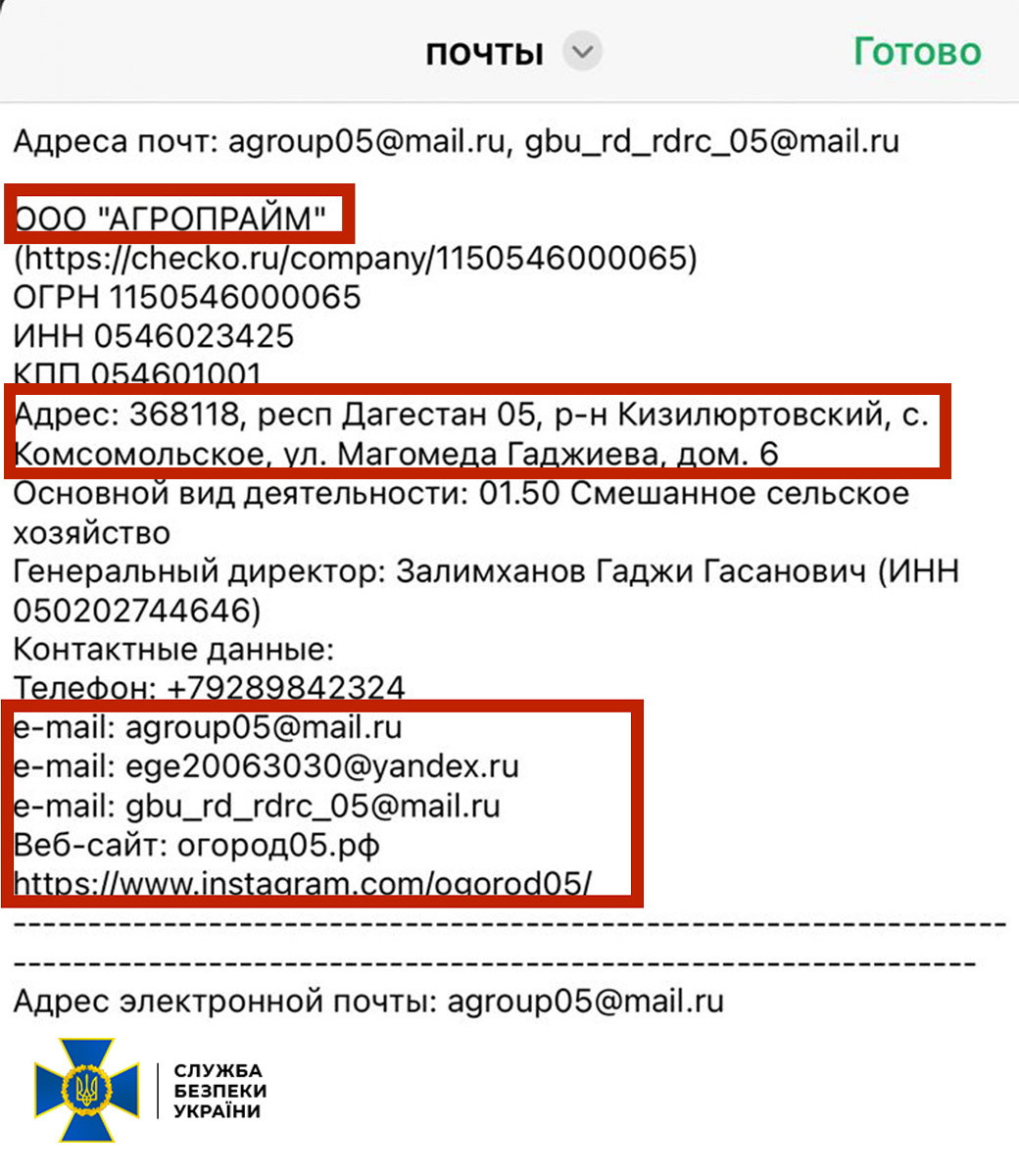
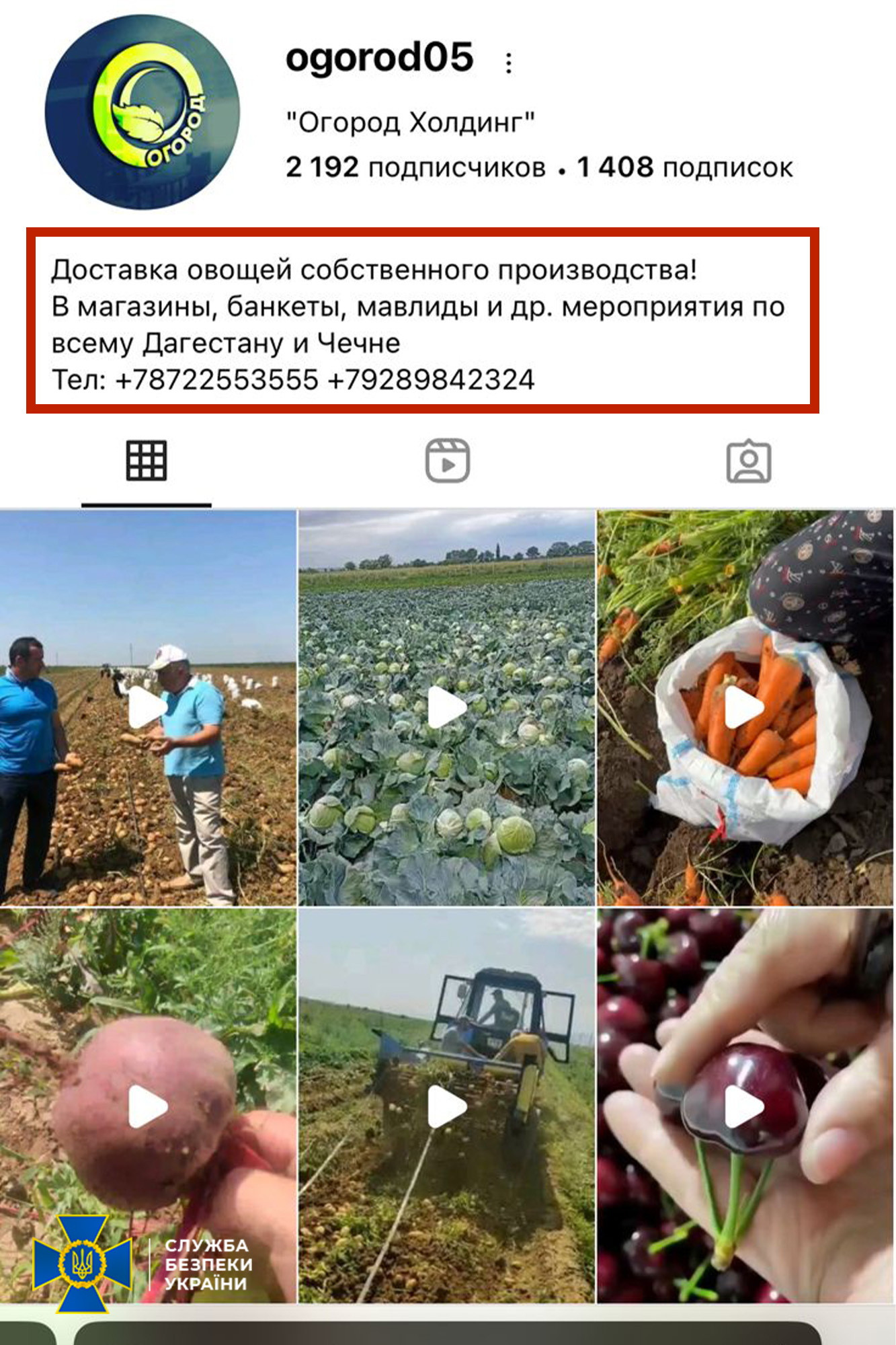
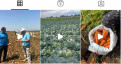
This involved the sale of technical hemp grown in Zhytomyr region and intended for sale in russia (the republic of Dagestan).
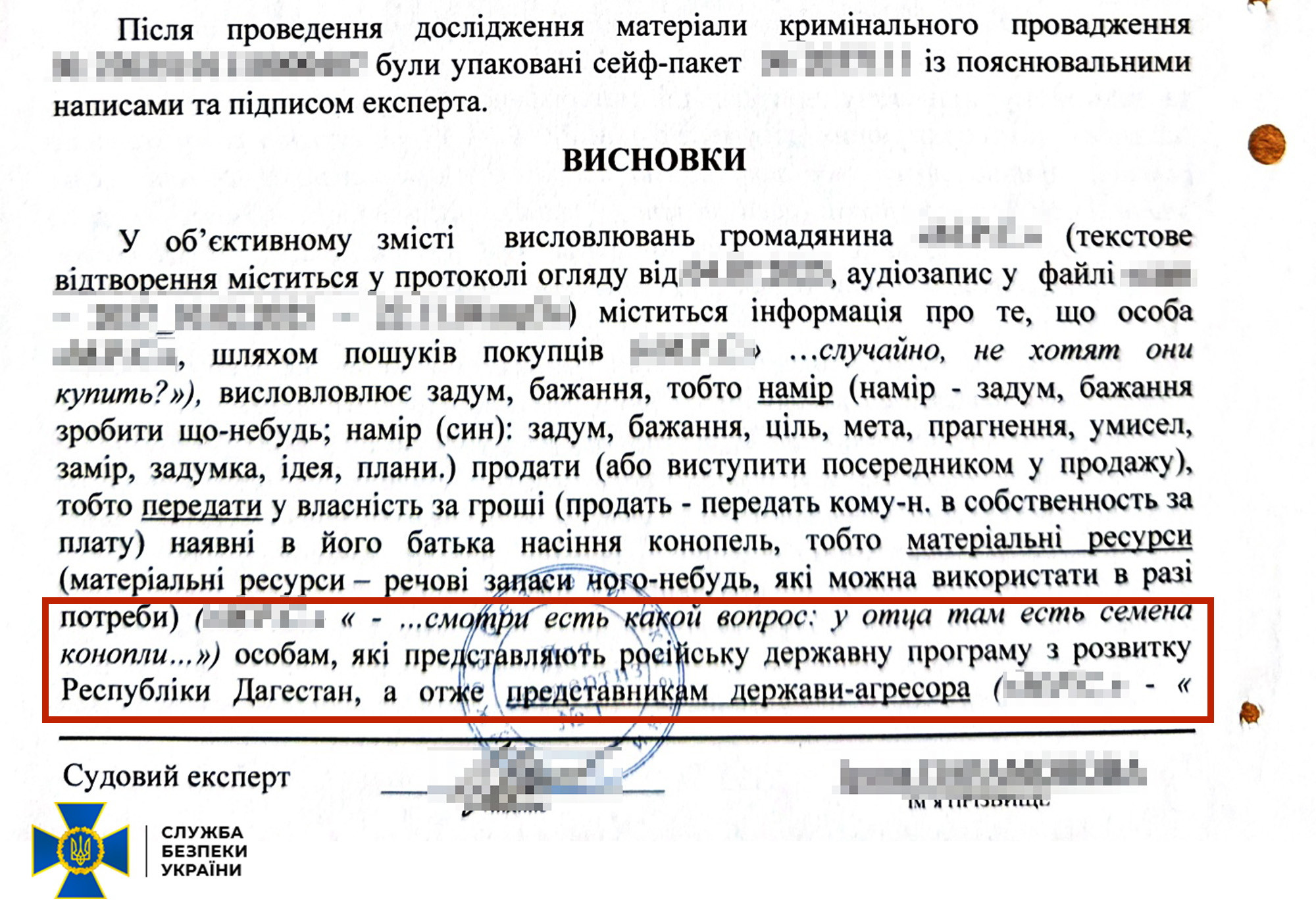
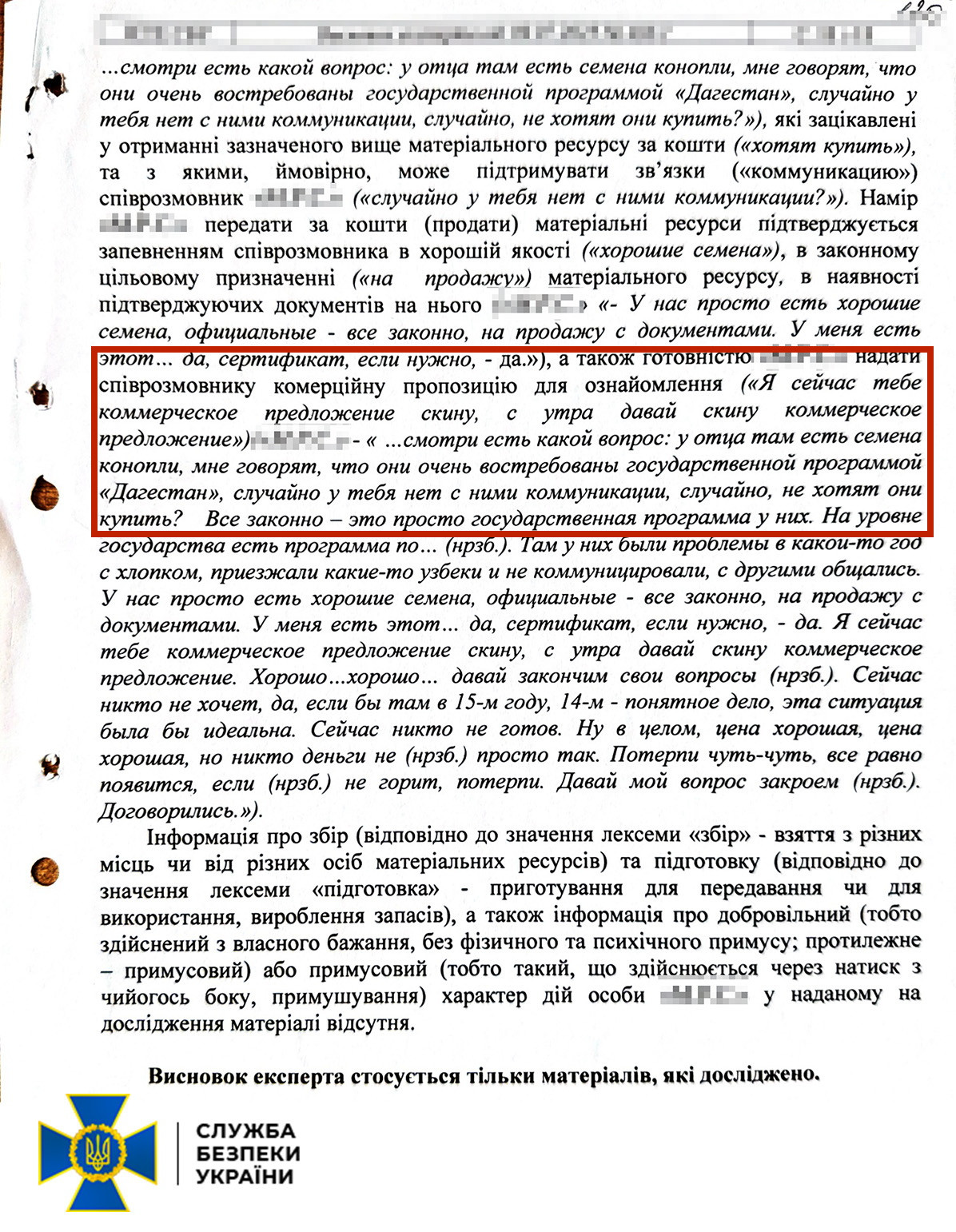
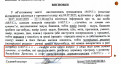
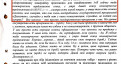
Previously, the SSU published an audio recording of a conversation of the NABU official, during which he discusses the terms of sale and even promises to send a commercial offer to a potential buyer. The conclusions of the state forensic semantic and textual examination confirm that the interlocutors on the recording are talking specifically about trade with the russian republic of Dagestan.
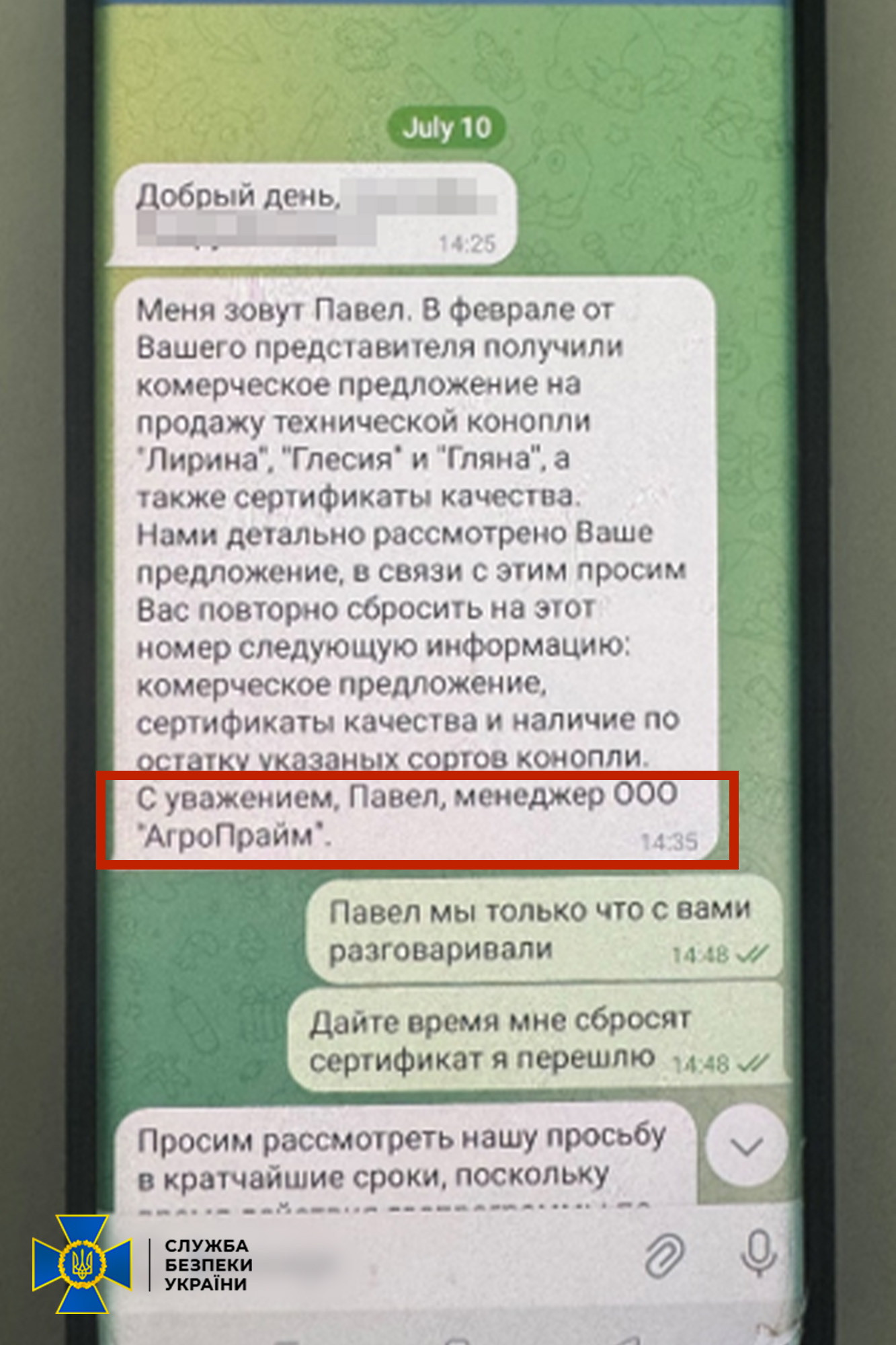
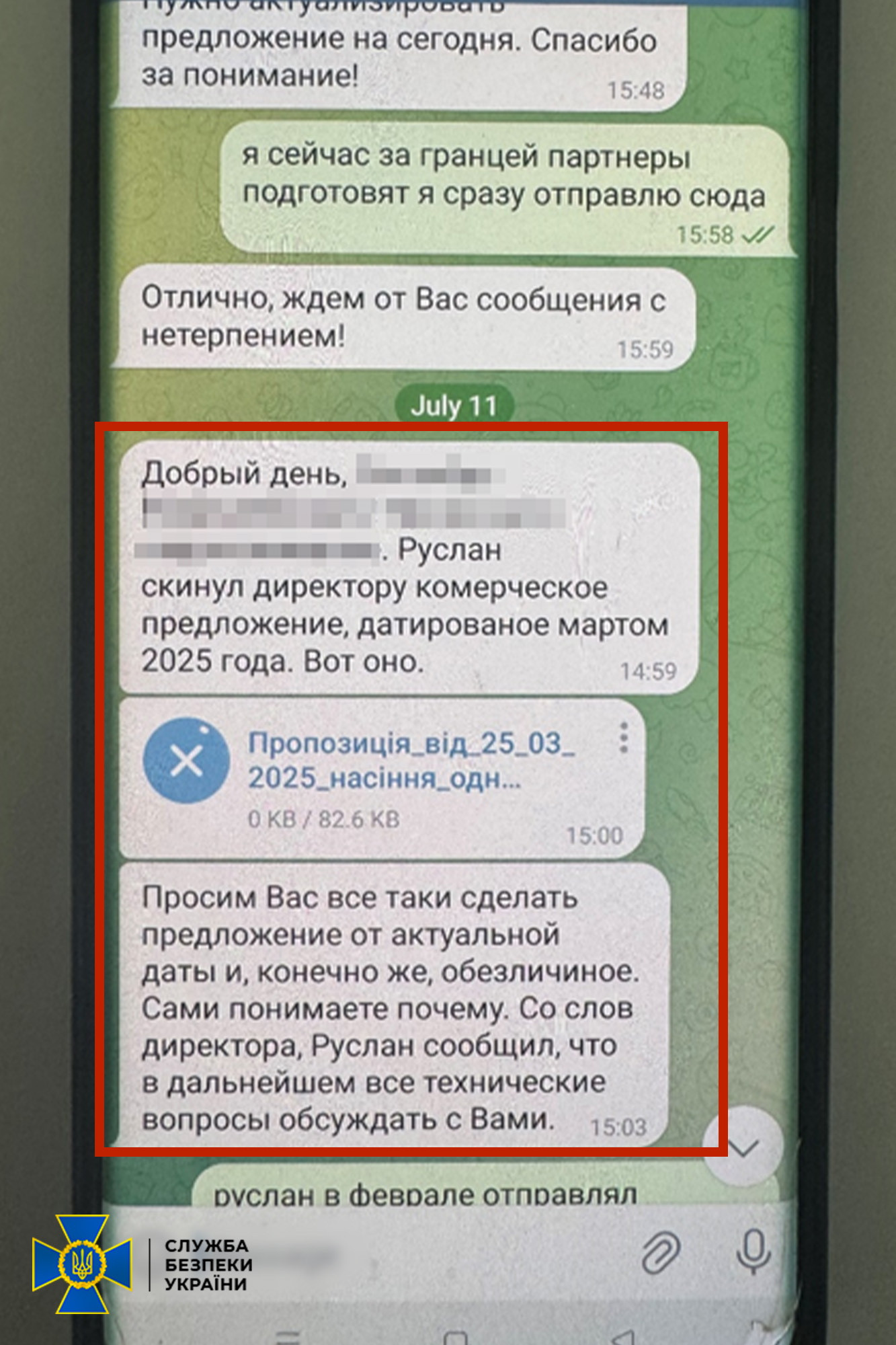
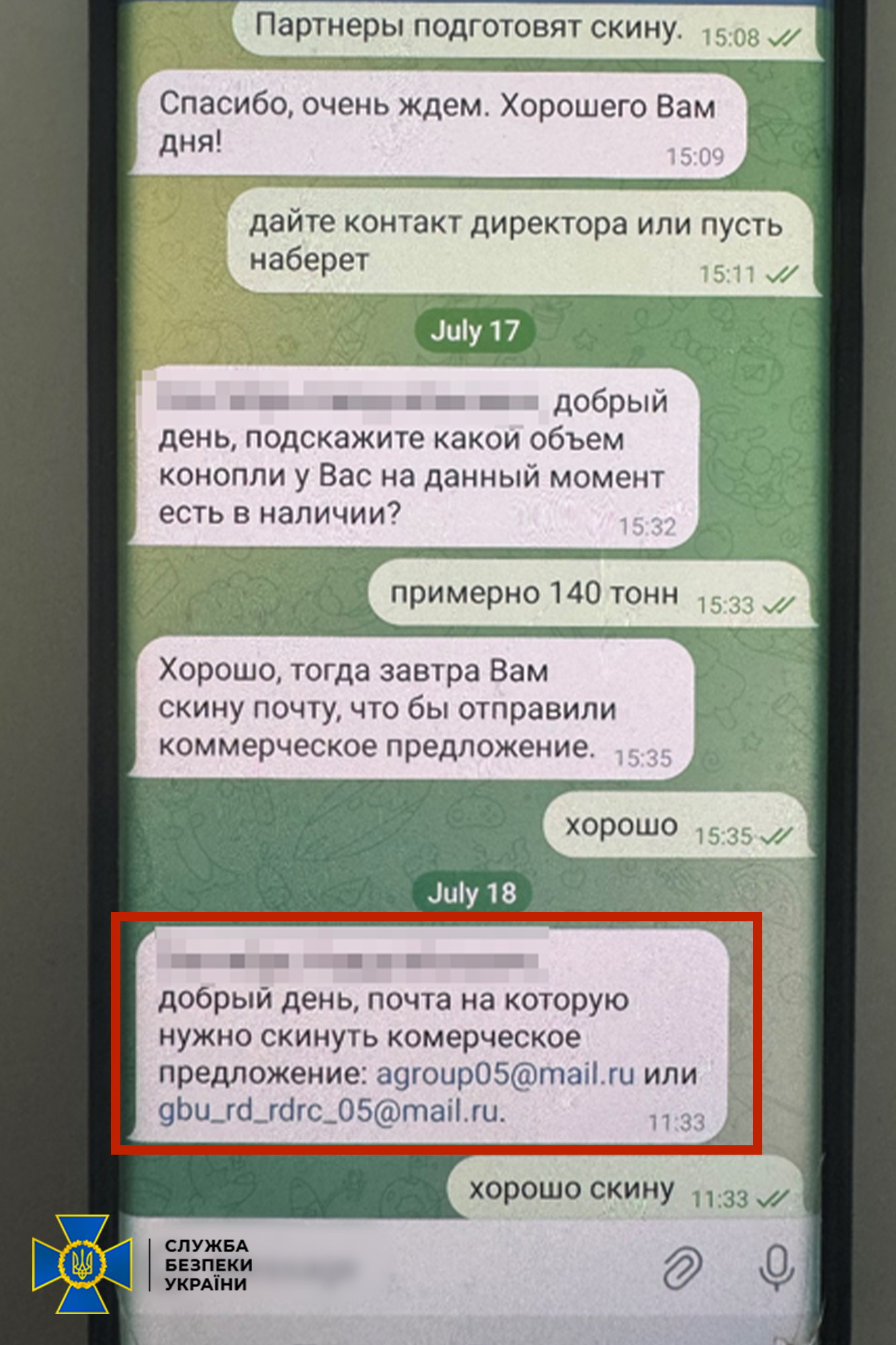
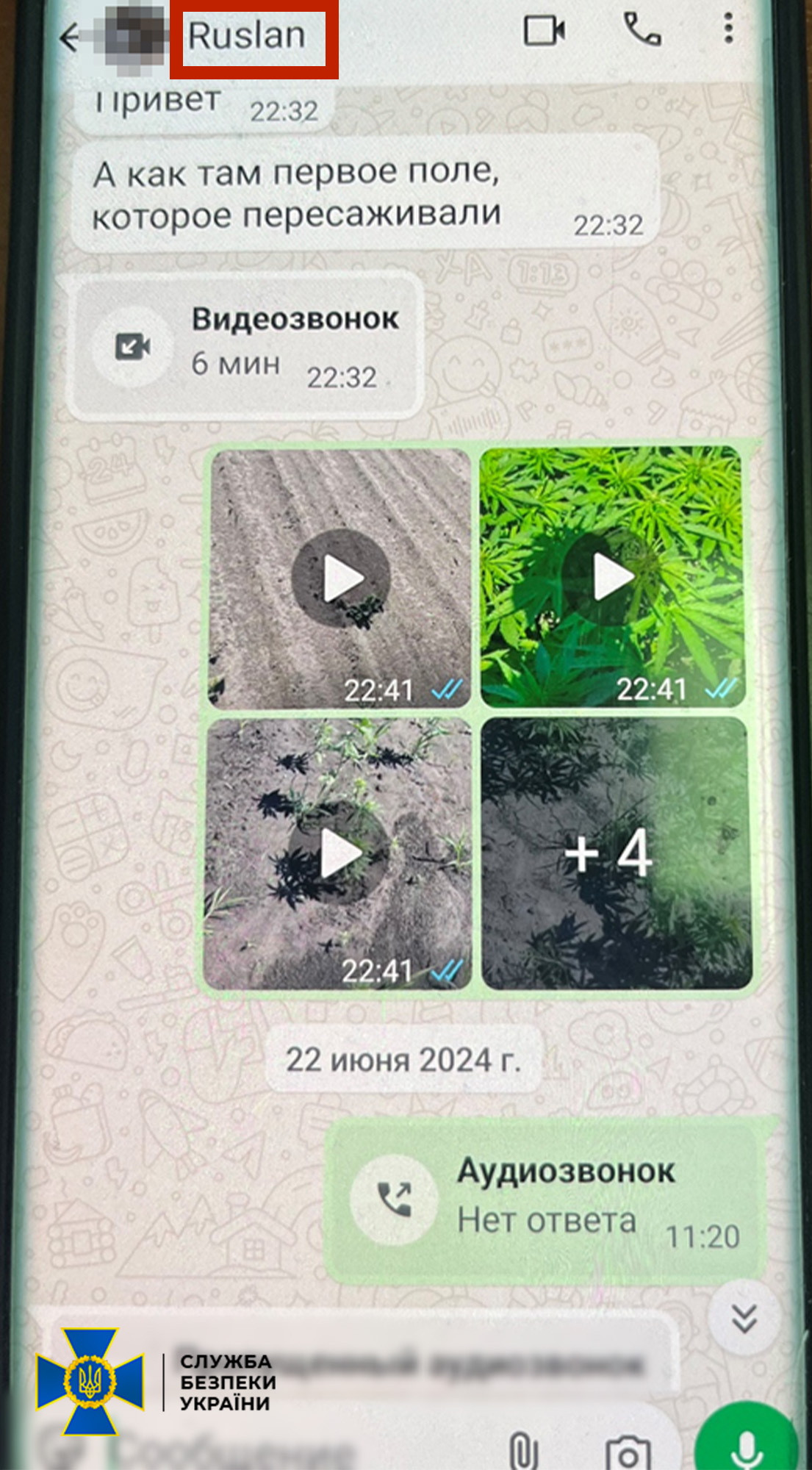
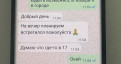
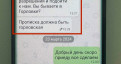
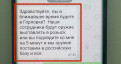
As part of the pre-trial investigation, SSU investigators also recorded the correspondence between the father of the NABU official and a representative of one of Dagestan’s agricultural companies regarding the sale of technical hemp. The relevant data were found on the suspect’s phone.
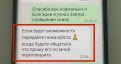
In this written communication, the russian company’s representative reports that he received a commercial offer and asks to send the current quality certificates for the products as soon as possible. He explains that the documents are needed urgently because the russian state program to reimburse the costs of growing technical hemp is coming to an end. He also names the person who sent him the commercial offer, which matches the name of the high-ranking NABU official.
During the analysis of the phone contents, evidence was also obtained that it was the NABU employee who was involved in the illegal business, while his father mostly followed his instructions and carried out control functions over agricultural processes on site. According to the investigation, the anti-corruption bureau employee not only found contacts for trade with russia, but also sought investors for the business. Such texting was found on the phone of the high-ranking NABU official.
The investigation also established that the NABU officer’s father was in constant contact with russian citizens, residents of Dagestan, and in 2023, despite russia’s full-scale aggression against Ukraine, he personally visited russia.
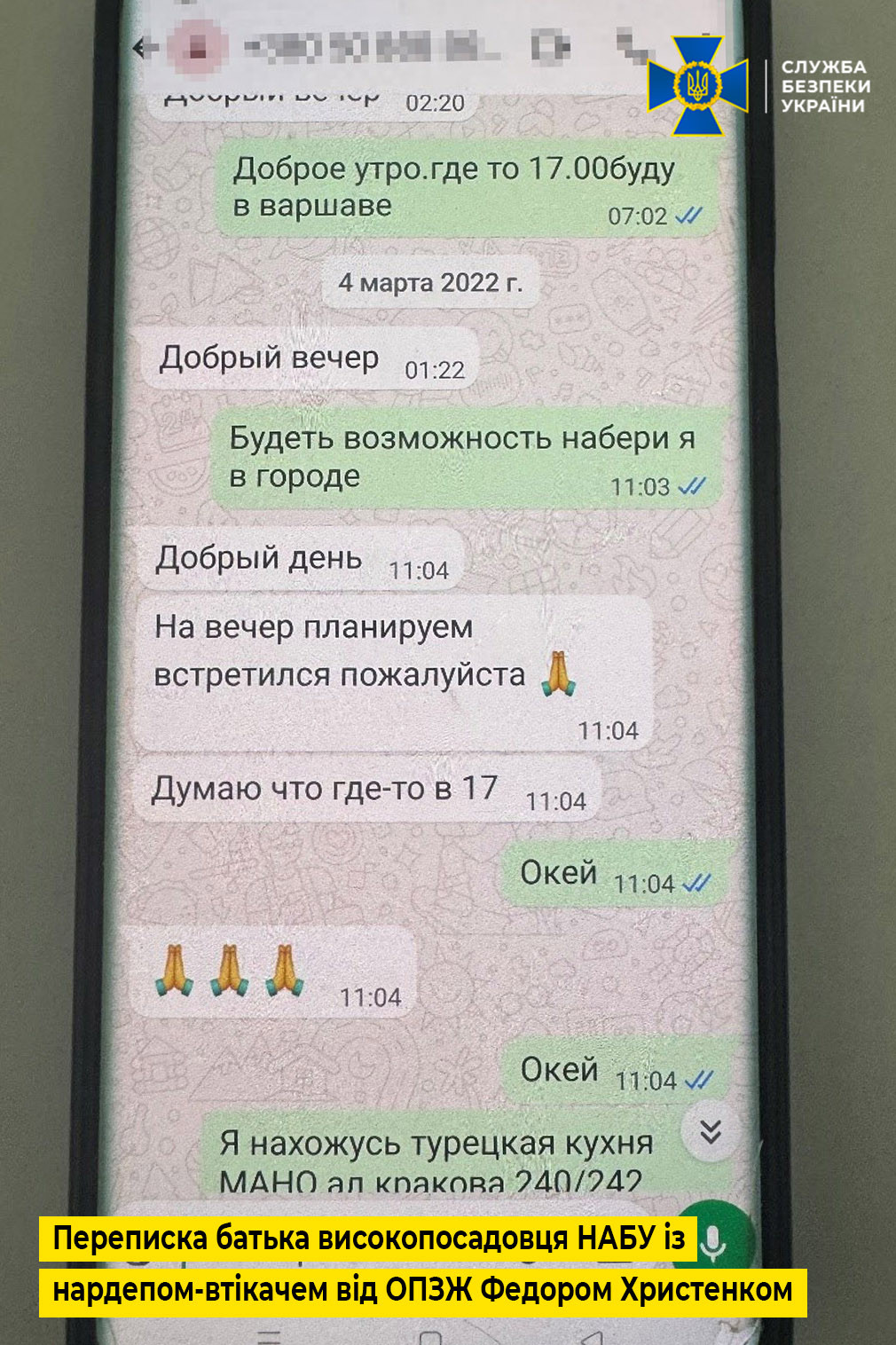
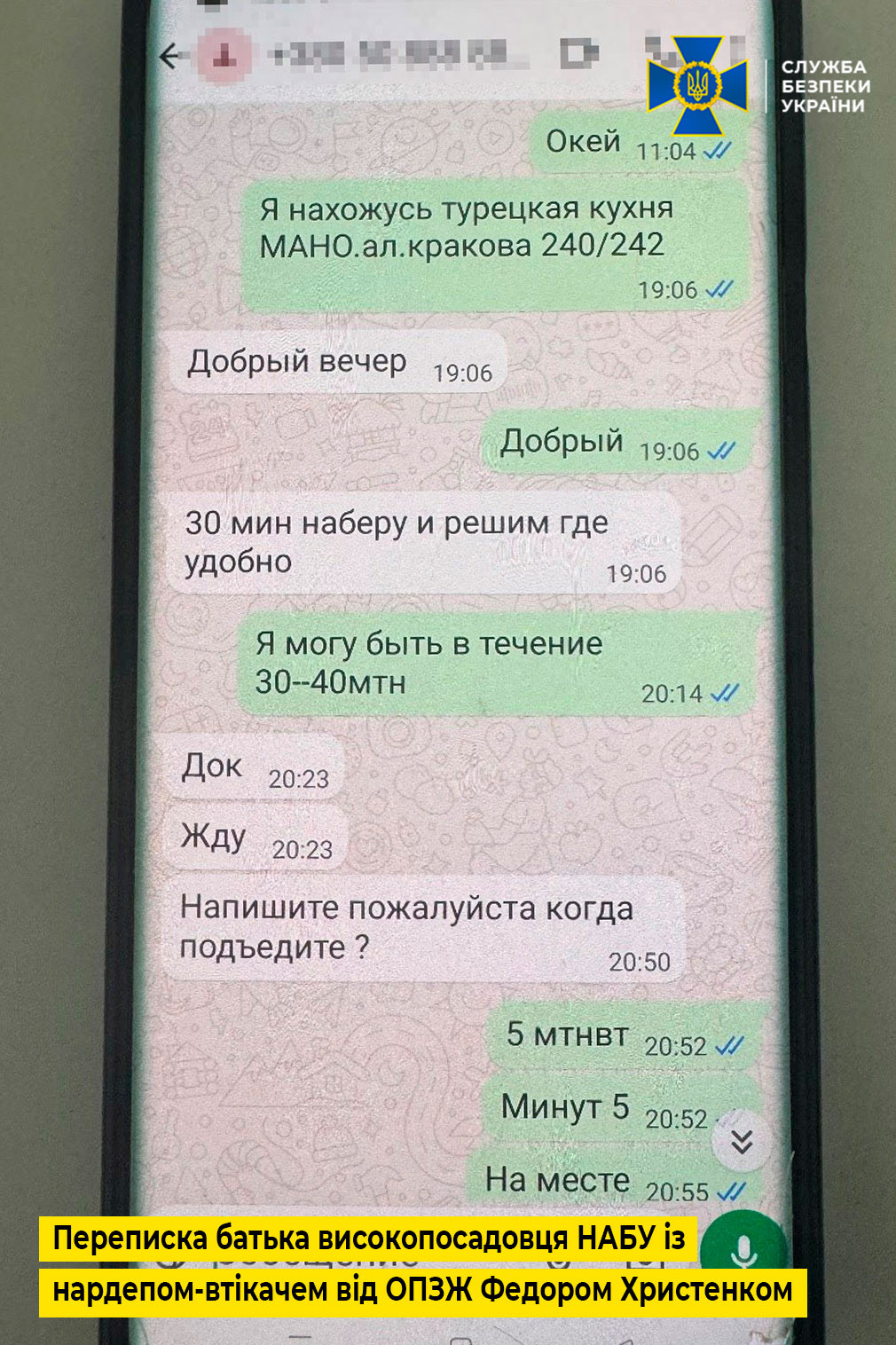
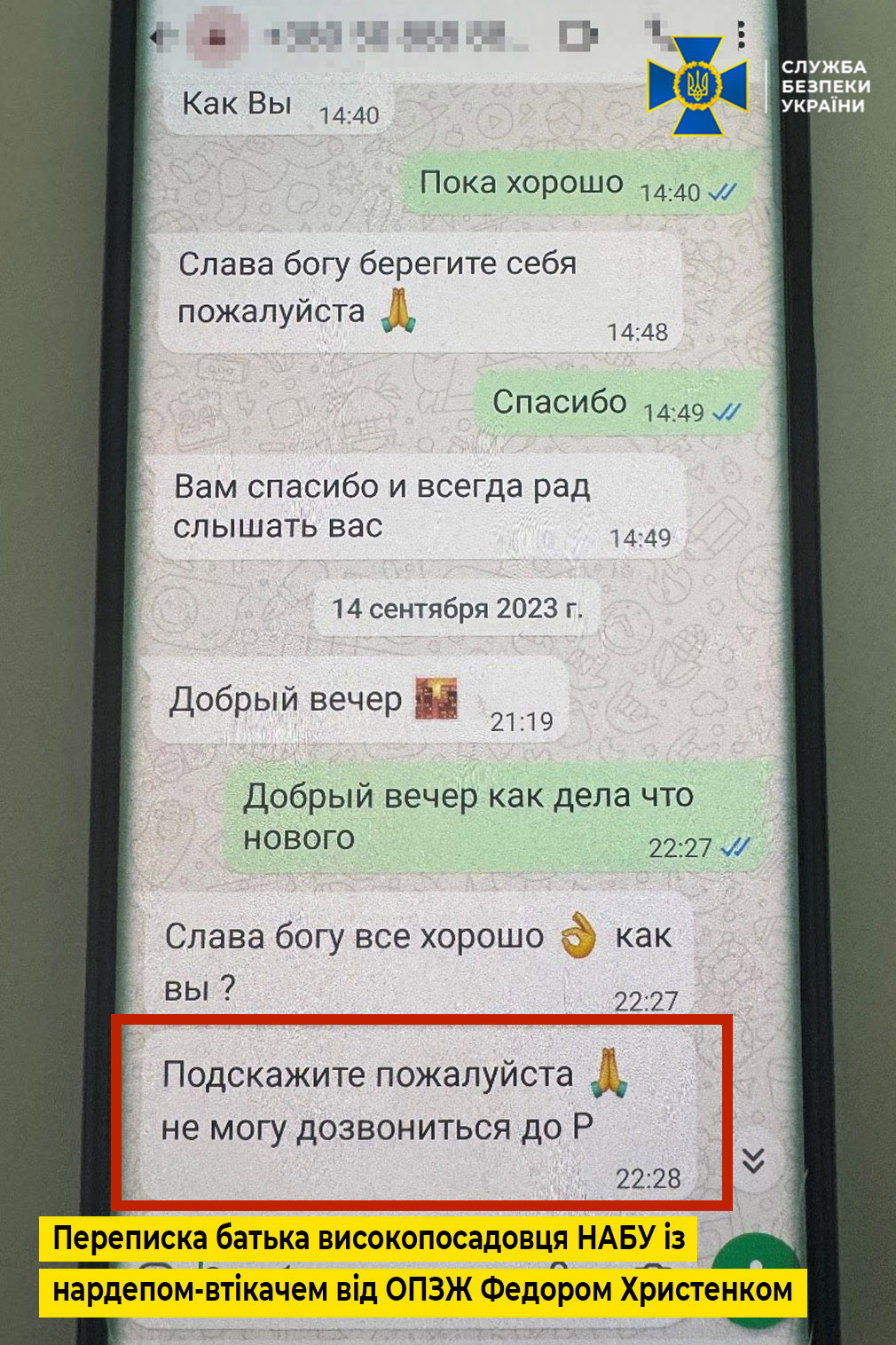
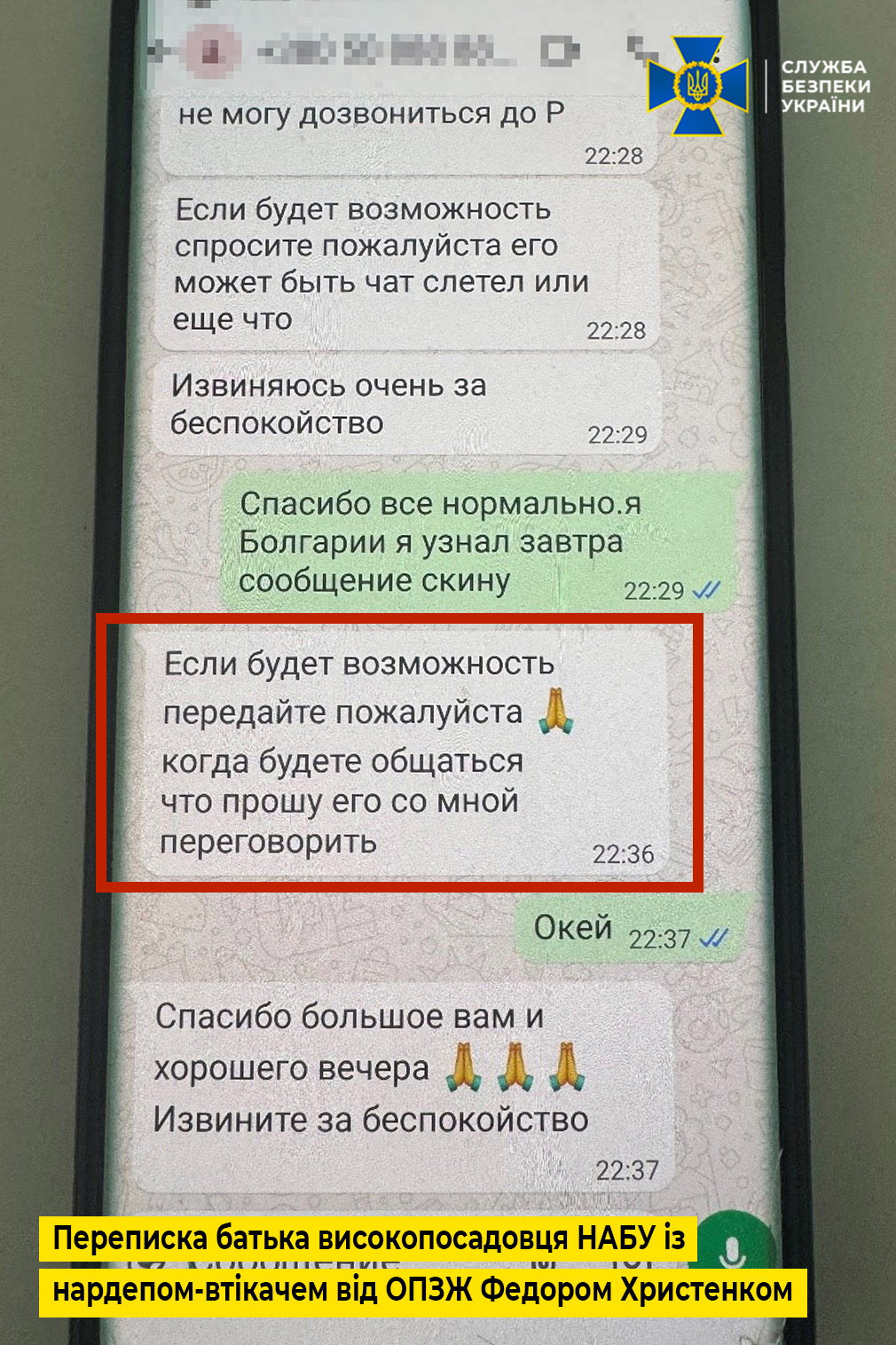
In addition to this, the father of the NABU official corresponded with Fedir Krystenko, a fugitive member of parliament from the banned OPFL party, who, according to the investigation, is linked to russian special services and has significant influence on the activities of NABU. In one of the episodes of their communication, they agreed to meet on the EU territory. The contacts between the anti-corruption bureau employee and Khristenko are also confirmed by the texting between the fugitive MP and the NABU officer’s father. In particular, Khristenko wrote that he could not reach his son (for secrecy, he only gave the first letter of his name) and asked for help in establishing contact.
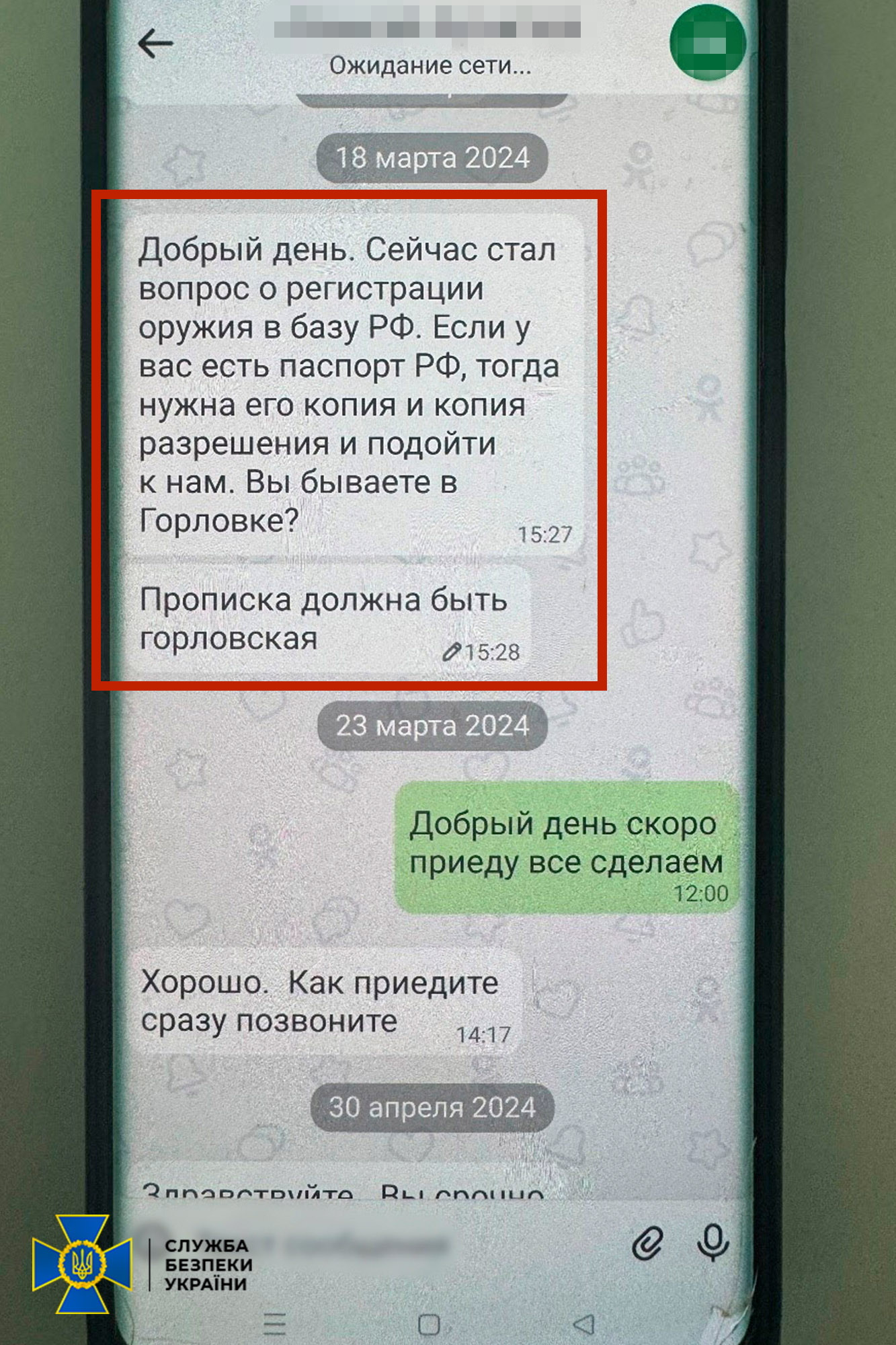
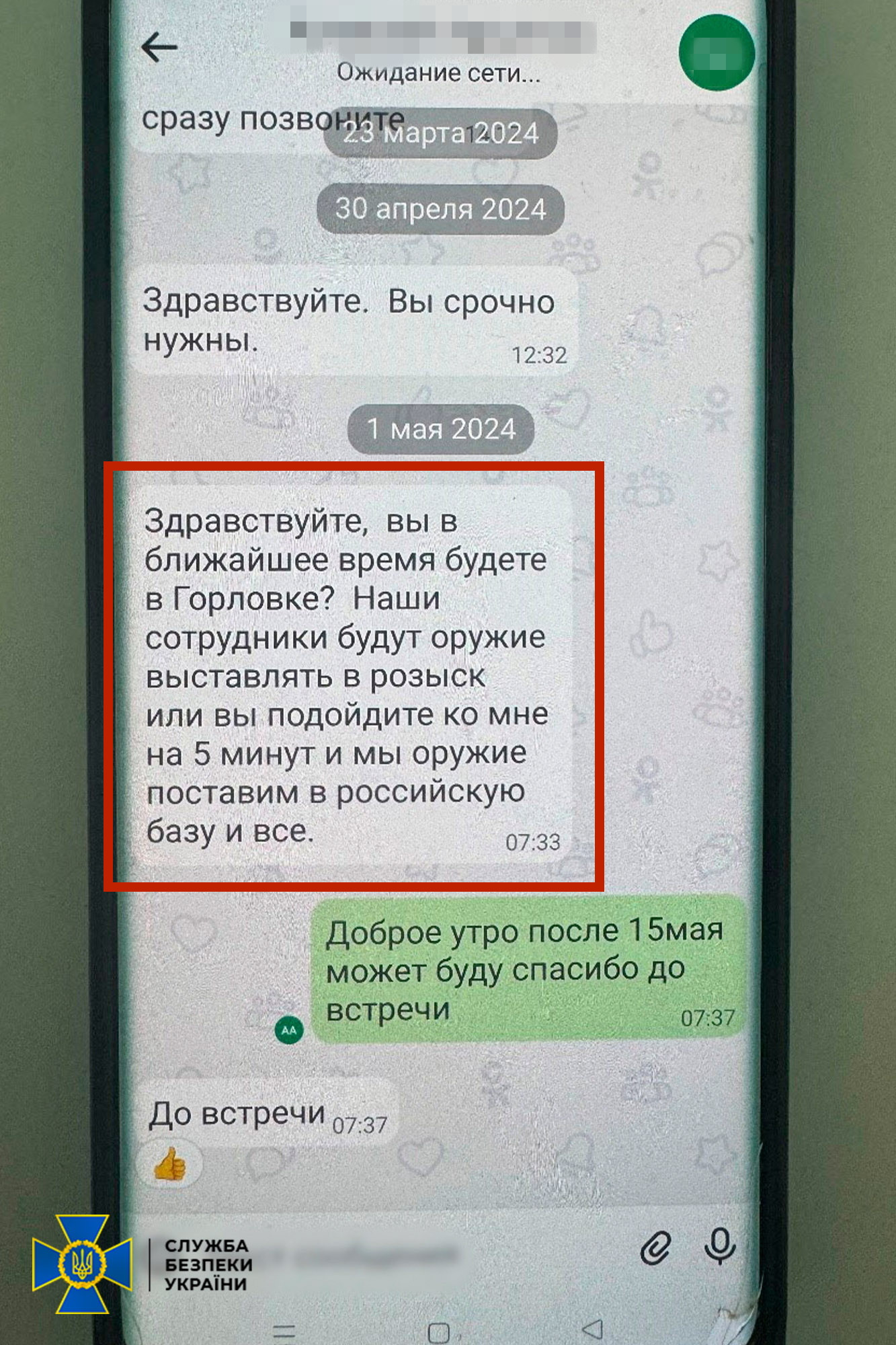
The SSU also documented facts confirming that the official’s father maintained ties with representatives of the occupation administrations in the temporarily occupied territory of Ukraine. For example, he discussed with a russian occupation official in Horlivka the issue of renewing the registration of his weapons under the laws of the so-called ‘donetsk people’s republic’.
Earlier, the SSU notified the senior NABU official and his father of suspicion under Article 111-2 of the CCU (aiding an aggressor state). They are currently in custody.
The pre-trial investigation under the procedural supervision of Kyiv City Prosecutor’s Office is ongoing.
We emphasize that this criminal proceeding concerns only an individual employee of the National Anti-Corruption Bureau and the facts of his cooperation with the aggressor state, and the case has no relation to the effective work of NABU as a state institution of Ukraine. As before, the SSU advocates for a constructive dialogue and cooperation to strengthen institutional capacities, eliminate pro-russian influence, and enhance the independence of our state.