SSU and National Police shut down further twelve mobilisation evasion schemes
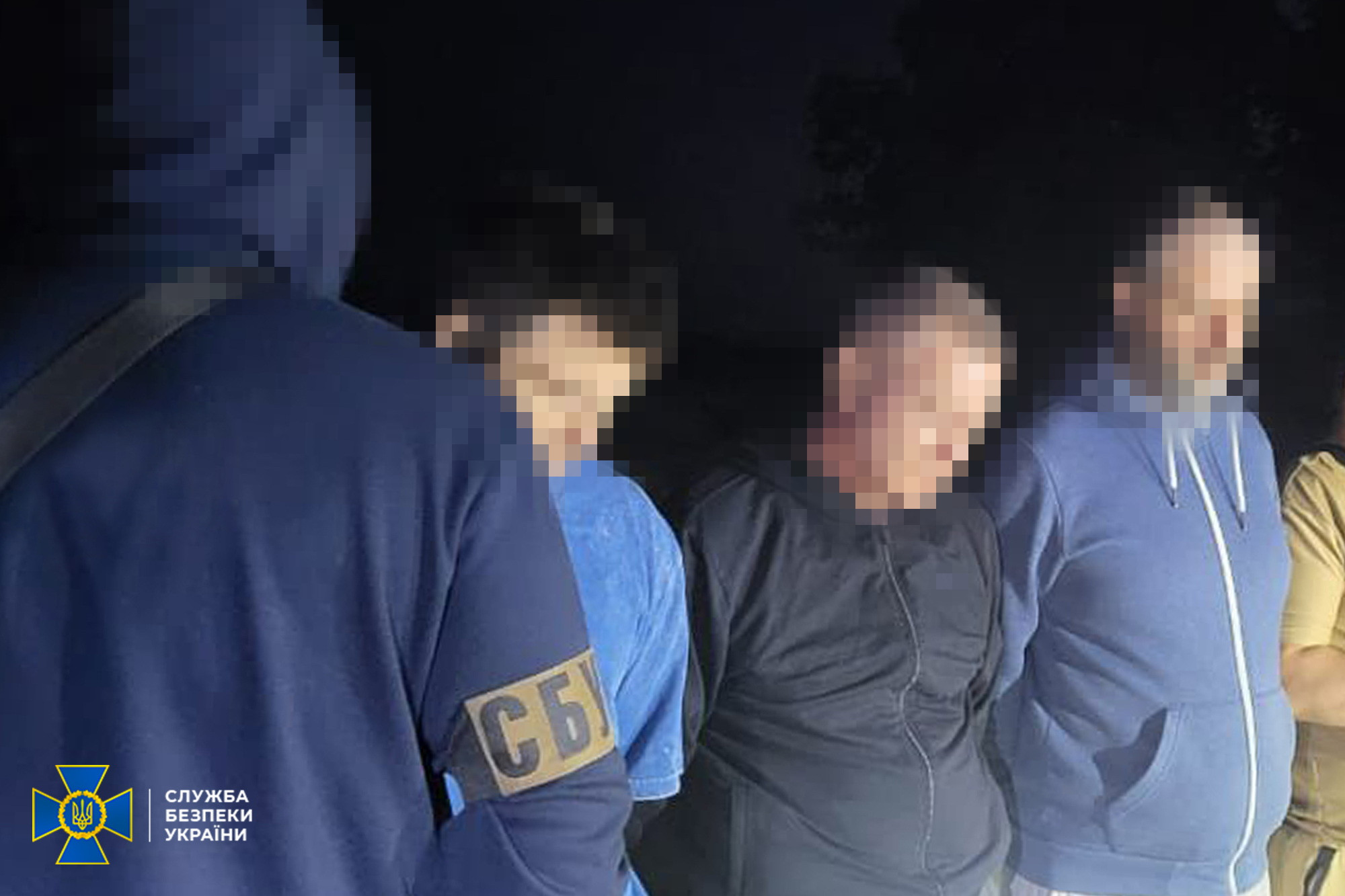
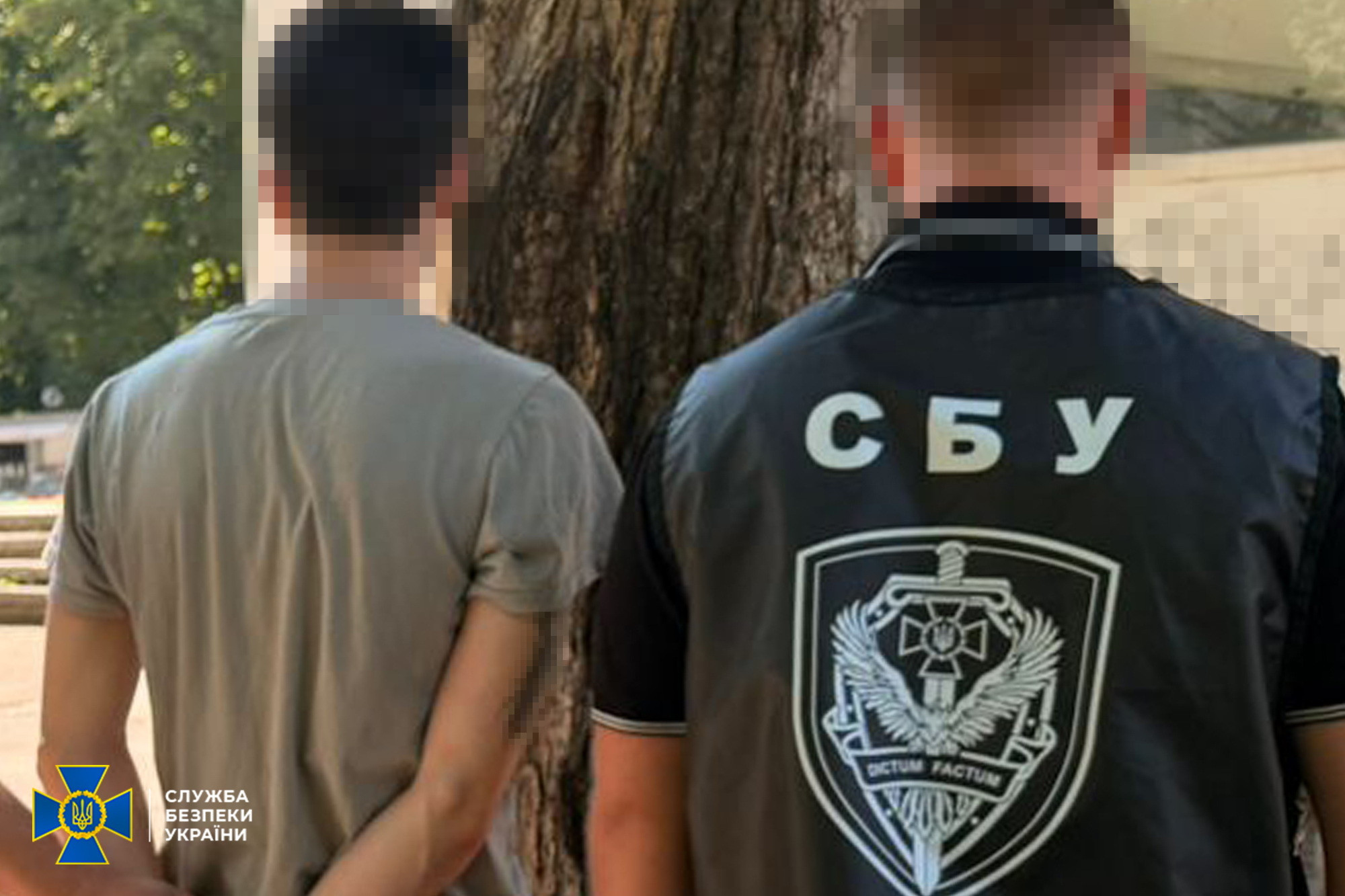
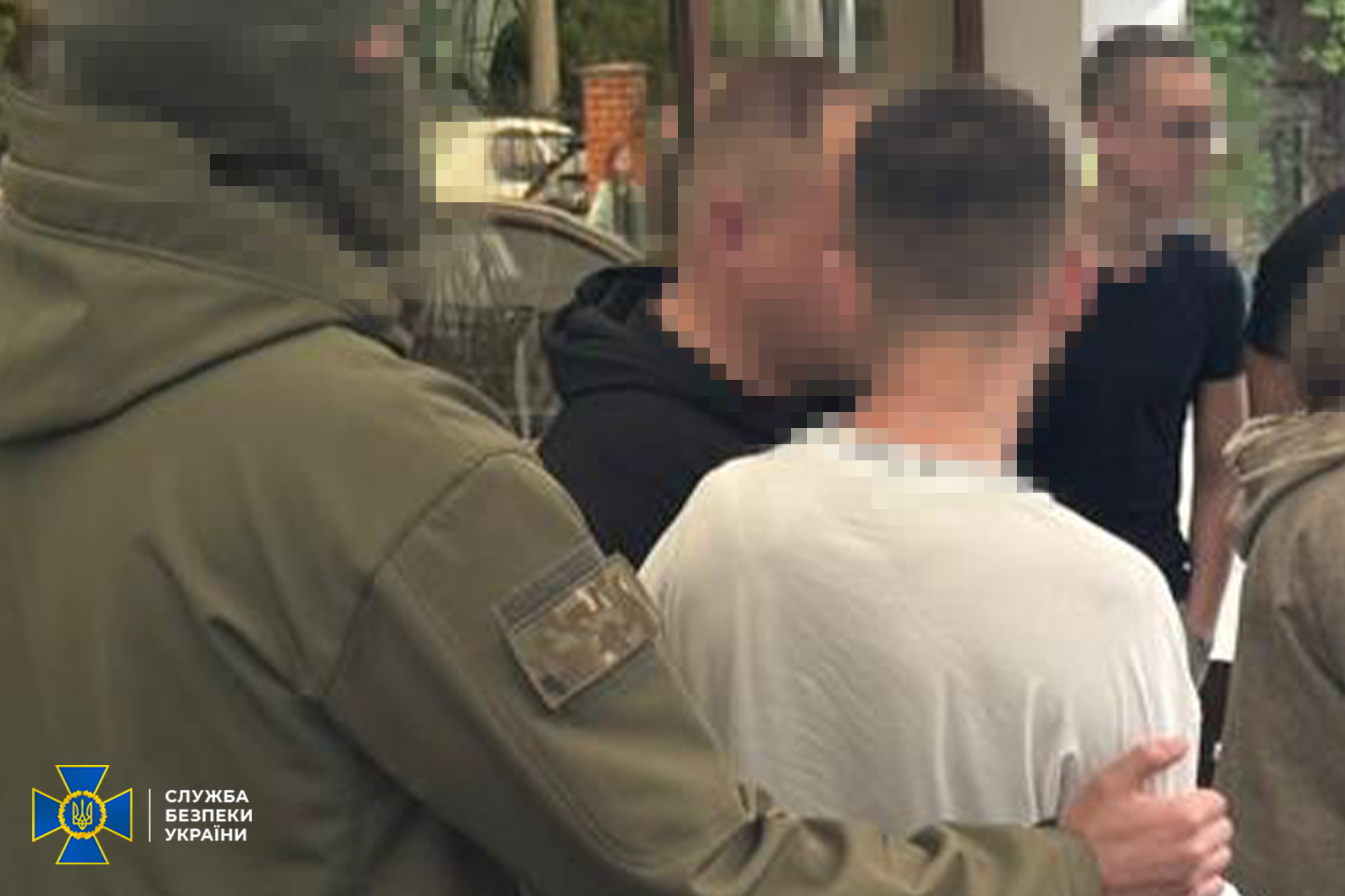
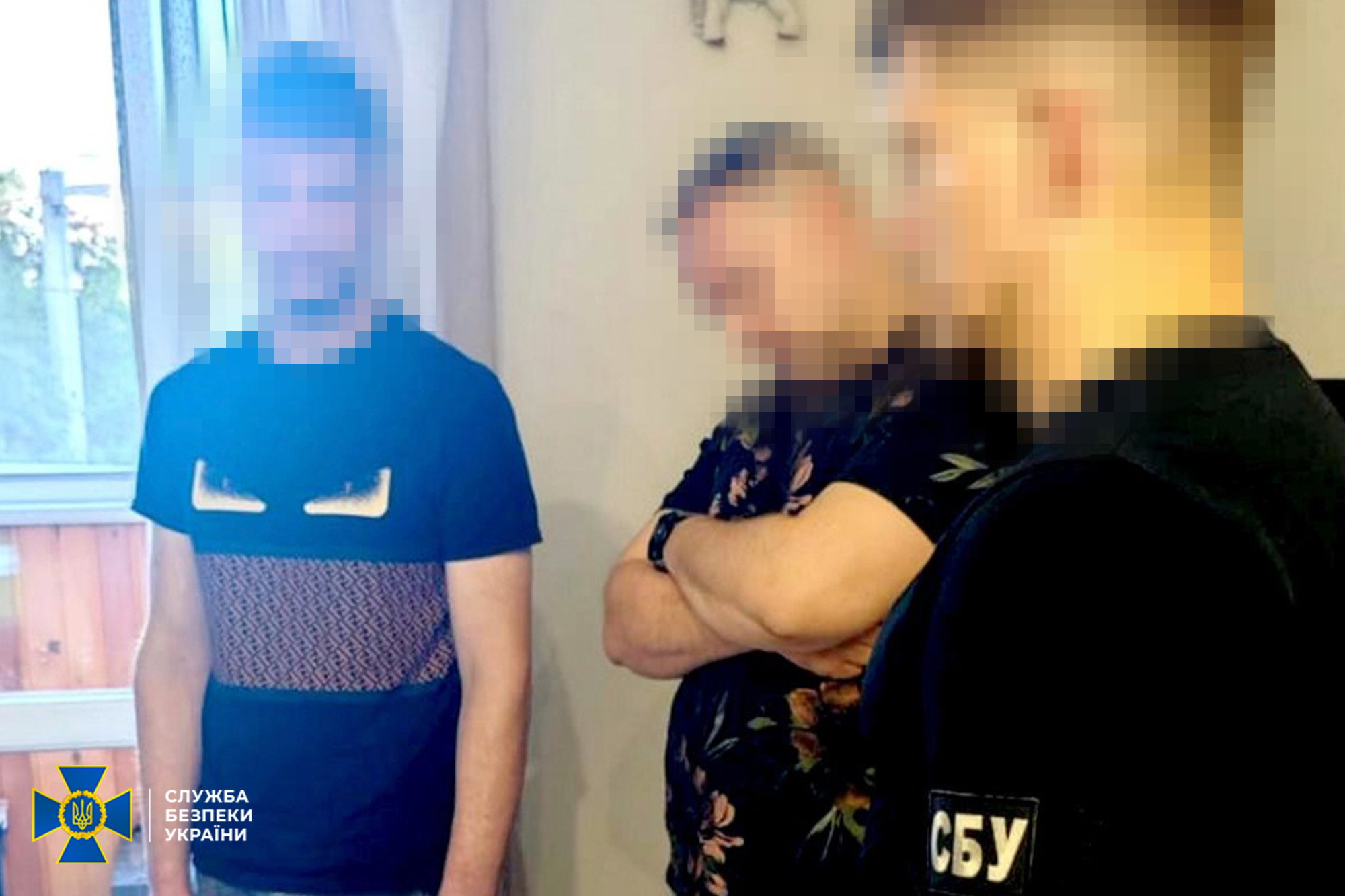
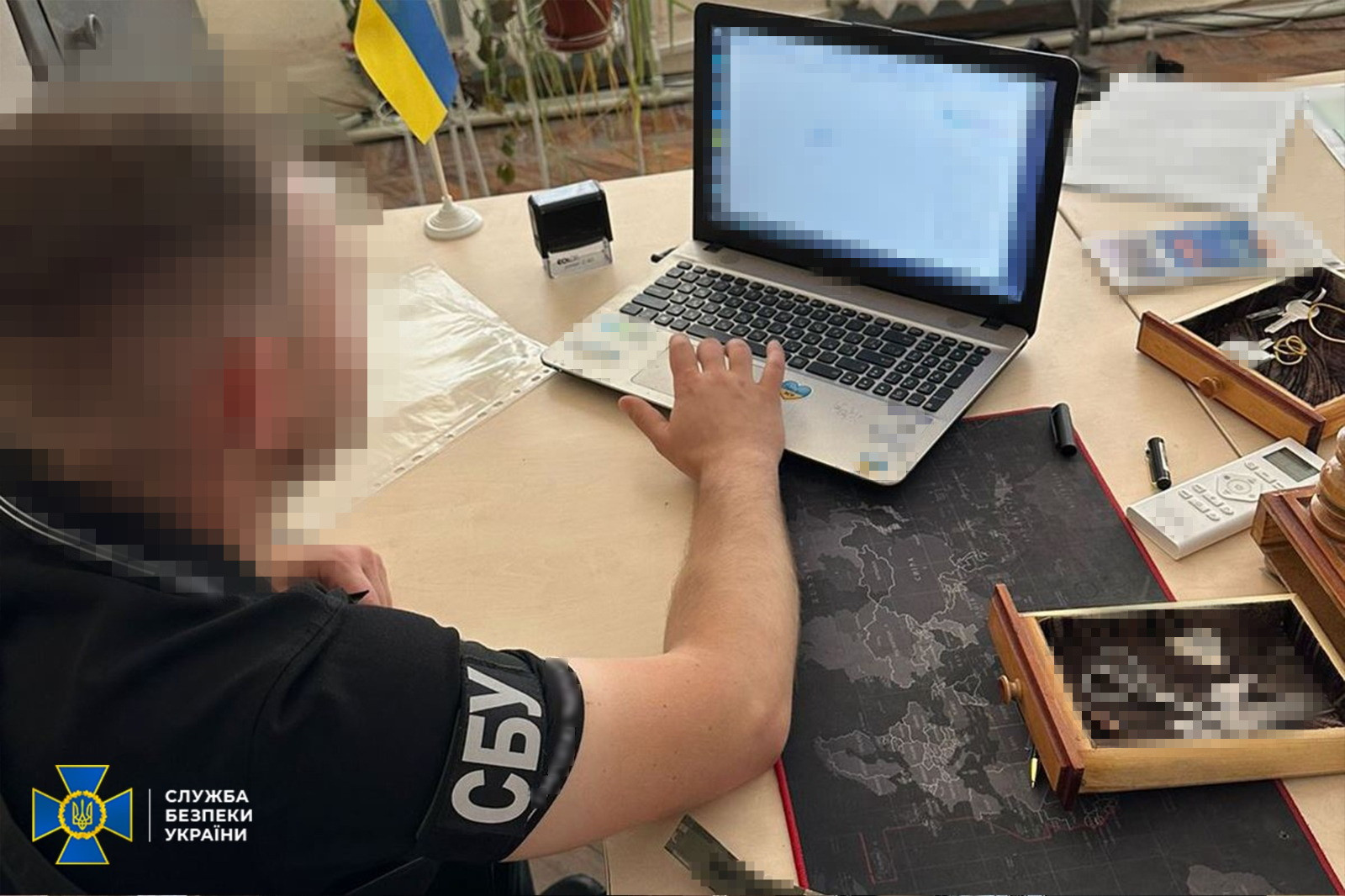
The Security Service of Ukraine and the National Police have dismantled twelve schemes of mobilisation evasion, detaining the organisers in several regions of Ukraine.
For sums ranging from USD 1,000 to 33,000, the perpetrators offered conscripts the chance to evade conscription by providing them with forged documents or helping them to flee abroad.
In the Chernivtsi region, the head of a border guard detachment was detained for profiting from smuggling draft dodgers into the EU.
The investigation revealed that the official had organised a channel for potential conscripts to cross the border unhindered and evade checkpoints.
The suspect also used this channel to smuggle tobacco products into neighbouring EU countries.
In the Kharkiv region, four healthcare workers were caught red-handed after admitting draft dodgers for inpatient treatment and issuing them with forged Group II and III disability certificates.
It has been established that doctors from various medical institutions in the Kharkiv district were involved in the scheme. These included the head of the internal medicine department, a neurologist, an ophthalmologist, and a general practitioner.
In the Poltava region, three more doctors came under suspicion: a general practitioner who was also the chair of the Military Medical Commission, an otolaryngologist, and a doctor of physical and rehabilitation medicine. They were selling fake medical certificates stating ‘poor health’ to secure deferrals from conscription.
A repair battalion commander in the region has been notified of his status as a suspect. He turned a blind eye to subordinates deserting service in exchange for money.
In the Zhytomyr region, the head of a unit at the district Territorial Recruitment Centre was exposed for removing draft dodgers from electronic wanted lists in exchange for bribes, thereby guaranteeing them temporary ‘immunity’ from conscription.
In the Kirovohrad region, another fraudster was detained. He ‘secured’ positions for those liable for military service within a state institution through acquaintances at the regional road administration.
The suspect also offered evaders the option to create a fake status in the Reserve+ app, stating that the ‘client’ had a deferment from mobilisation due to working at a critical enterprise.
In Zakarpattia, the deputy head of a border guard department was exposed for organising the smuggling of draft evaders into the EU.
The official was documented preparing border-crossing routes for his ‘clients’ and guiding them through the forest over the phone.
Additionally, a deserter and his accomplice were arrested in the region while transporting draft dodgers out of Ukraine. The traffickers used their own car to collect ‘clients’ from the city’s railway station and take them to a wooded area, where they could cross over into a neighbouring country.
In the Vinnytsia region, a lorry driver was arrested for attempting to smuggle a group of conscripts across the border, hidden inside the vehicles he was transporting.
In the regional capital, another organiser, who had promised draft dodgers that he would arrange for them to be granted disability status through fictitious hospitalisation, was arrested. To this end, he planned to enlist the help of officials he knew at the Expert ream assessing an individual’s day-to-day functioning.
One more perpetrator detained in Vinnytsia is a fixer who promised a conscript he would ‘get him out’ of the Territorial Recruitment Centre for a fee. He claimed that he would use his connections within the military establishment to do so.
In Zaporizhzhia, a conscript was exposed for ‘securing’ places for draft dodgers at a local defence plant in exchange for money. The ‘package of services’ included fictitious employment, followed by travel abroad under the guise of a ‘work trip’.
The organisers of the schemes have now been notified of suspicion under several Articles of the CCU, according to the actions committed:
- 114-1.1 (obstructing the lawful activities of the AFU and other military formations during a state of emergency);
- 332.3 (illegal smuggling of persons across the state border);
- 358.3 (forgery of documents, seals, stamps or forms, or the sale or use of forged documents, seals or stamps);
- 362.1, 362.3 (unauthorised actions involving information processed by electronic computers, automated systems or computer networks, or stored on data storage media, committed by a person authorised to access such information);
- 28.2, 366.1 (forgery in office, committed by a group, by prior conspiracy).
- 368.3 (accepting an offer, promise or receipt of an unlawful benefit as a public official);
- 369-2.3 (abuse of influence combined with the extortion of an unlawful benefit).
The perpetrators face up to 10 years’ imprisonment with confiscation of property.
The operations were carried out under the procedural supervision of the Prosecutors’ Offices.