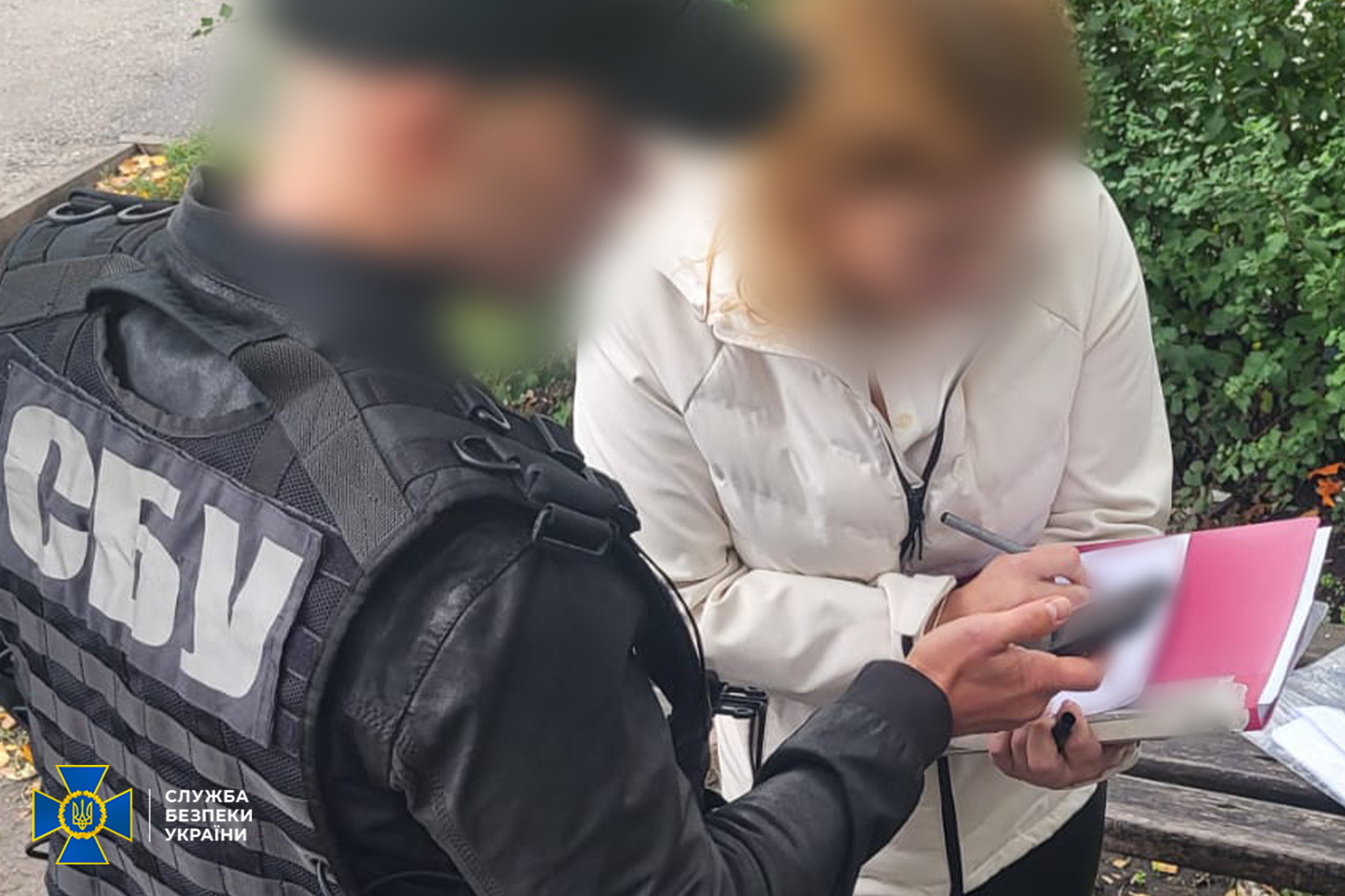
SSU and National Police shut down another seven mobilization evasion schemes
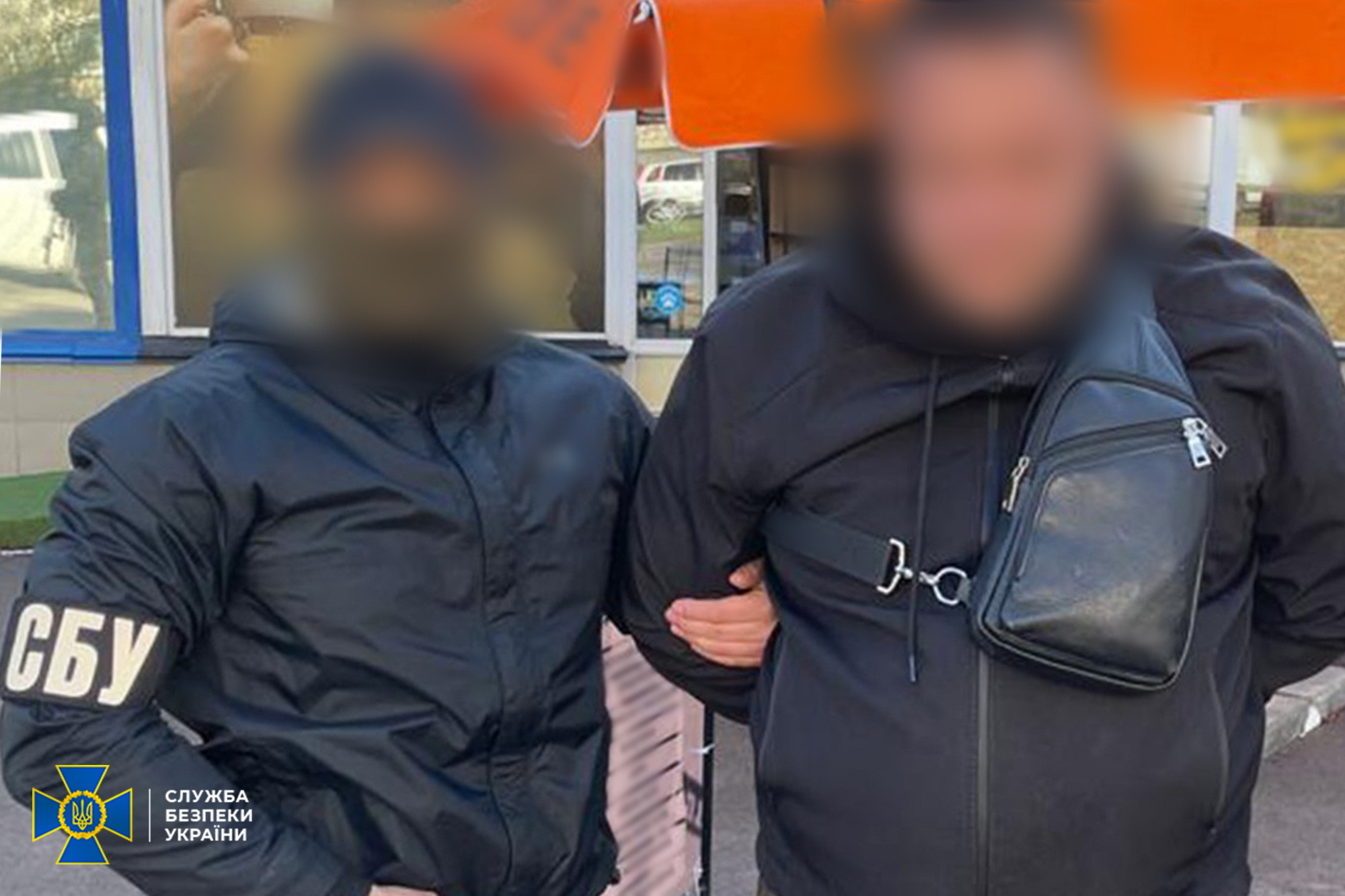
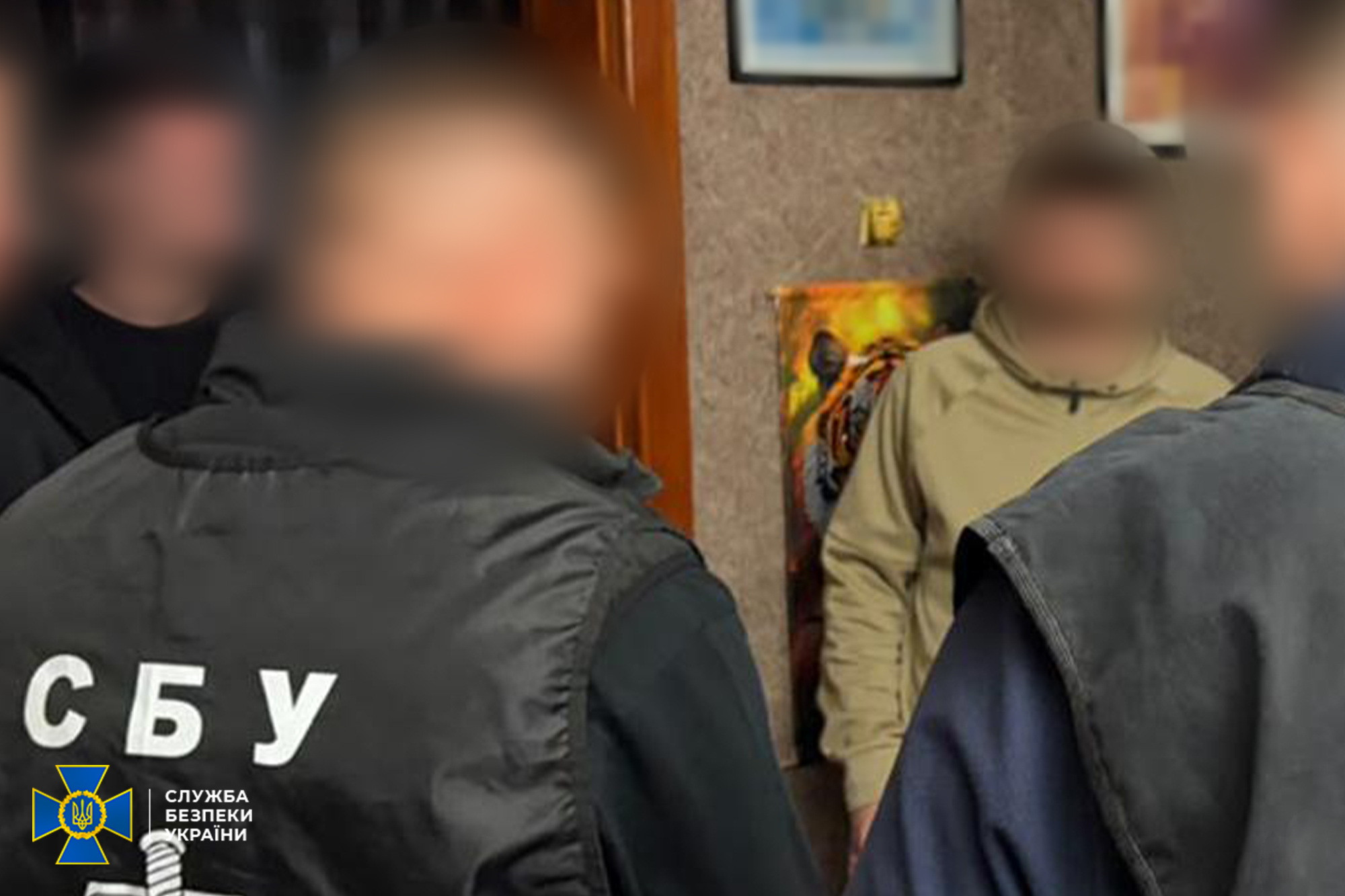
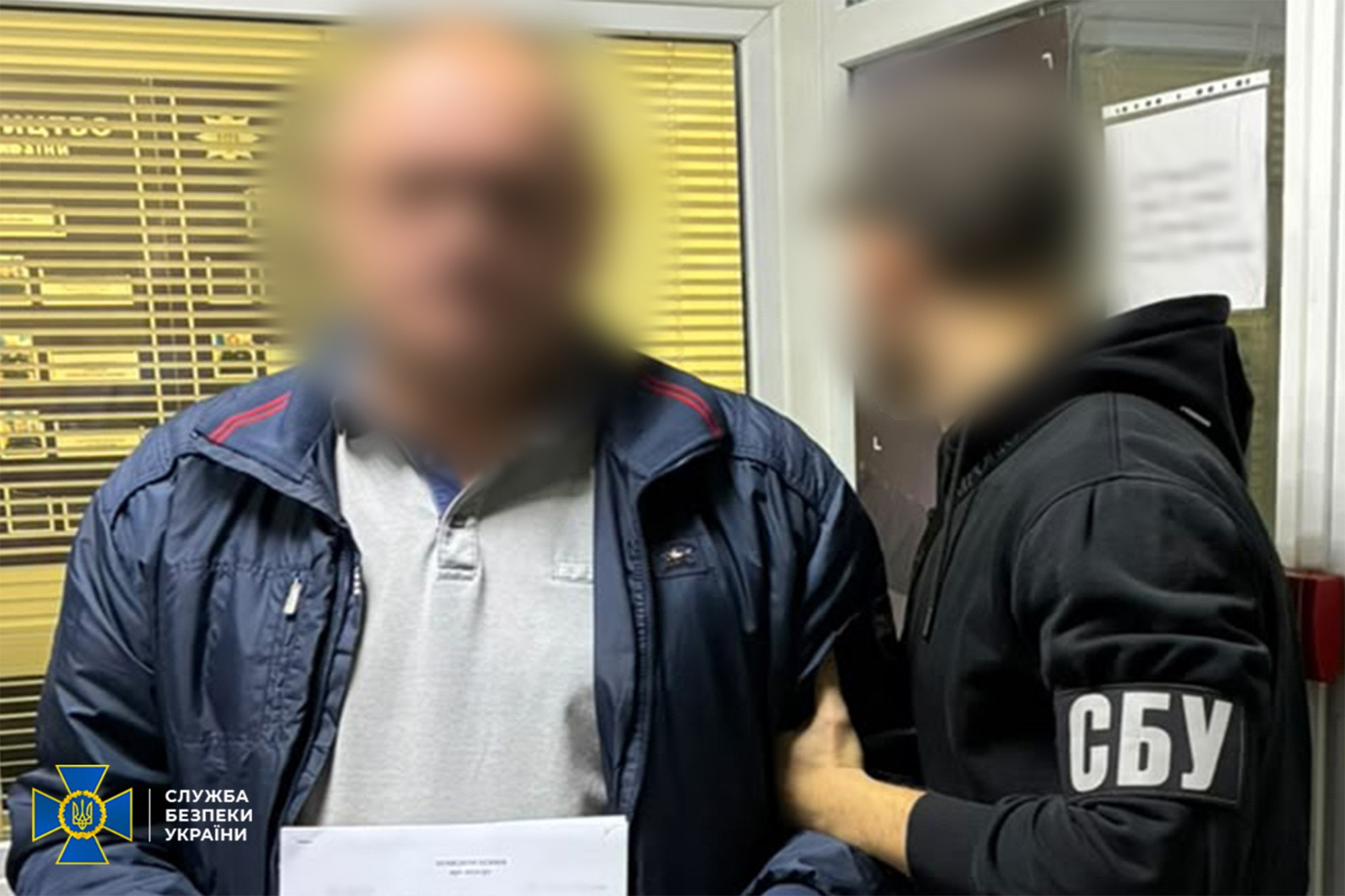
In collaboration with the National Police, the Security Service of Ukraine has dismantled seven new schemes to evade mobilisation and detained ten organisers in several regions of Ukraine.
In the Kyiv region, a businessman and his accomplice were exposed for arranging the fictitious employment of draft dodgers at a critically important road transport company in exchange for money, followed by their ‘reservation’ from military service.
The fraudsters registered their ‘clients’ on paper as lorry drivers and logistics specialists, but they did not actually turn up to work or perform any work duties.
In the Zakarpattia region, a clergyman was exposed for facilitating the illegal crossing of the state border into EU states by conscripts in exchange for USD 15,000.
The cleric personally advised the draft dodgers on routes to cross the border through the forest, evading official border crossing points.
The SSU detained the suspect while he was escorting a ‘client’ along a similar route.
In Kropyvnytskyi, a woman from the Odesa region with a second-degree disability status was arrested for entering into a sham marriage with a man of conscription age for USD 10,000. The purpose of the marriage was to help the man obtain a deferral from mobilisation and leave the country.
After the marriage was dissolved, she planned to enter into another sham marriage using the same scheme.
In Zhytomyr, two further suspects were identified. One of them is the head of a municipal enterprise responsible for urban development in one of the region’s towns, and the other is the director of a construction company.
Together, they organised the illegal removal of draft evaders from the Territorial Recruitment Centre’s wanted list.
The accomplices exploited their personal connections at the military registration and enlistment office. The law enforcement documented the removal of one of the draft dodgers from the wanted list and arrested the suspects after they had received payment.
In the Vinnytsia region, the head of a family medicine hospital, who is also a local district councillor, and her accomplice, the chair of the medical advisory committee, were exposed for selling conscripts fictitious medical certificates stating that their relatives were in poor health.
The perpetrators entered false information into medical records on the basis of which those evading conscription were granted deferrals from mobilisation on the pretext of caring for ‘sick’ relatives.
In Lviv, a broker was detained who arranged for a draft dodger to be classified as having a Group 3 disability by entering ‘updated’ data into the relevant information system for USD 15,000.
To operate the scheme, the suspect utilised personal connections within state institutions.
Another perpetrator was exposed also in the Lviv region: the director of a haulage company promised a conscript that he would smuggle him abroad in exchange for money.
To this end, the businessman fictitiously employed the conscript as a driver on international routes.
The law enforcement agencies detained the draft dodger while he was attempting to bribe a border guard to allow him to cross the checkpoint unhindered. The organiser of the scheme was also arrested.
The detainees have now been notified of the charges against them under several Articles of the CCU, depending on the offences:
- 28.2, 114-1.1 (obstructing the lawful activities of the AFU, by a group, by prior conspiracy, during a state of emergency).
- 27.5 and 368-3.4 (aiding and abetting the bribery of an official of a private-law legal entity, committed by a group, by prior conspiracy, or combined with the extortion of an unlawful benefit);
- 332.3 (illegal smuggling of persons across the state border of Ukraine);
- 27.5, 368.3 (aiding and abetting an official in obtaining an unlawful advantage);
- 369.3 (offering, promising or providing an unlawful benefit to a public official);
- 369-2.3 (abuse of influence).
The perpetrators face up to 10 years’ imprisonment with confiscation of property.
The operational and investigative activities were carried out under the procedural supervision of the Prosecutors’ Offices.