SSU and National Police shut down another eight mobilisation evasion schemes in several Ukrainian regions
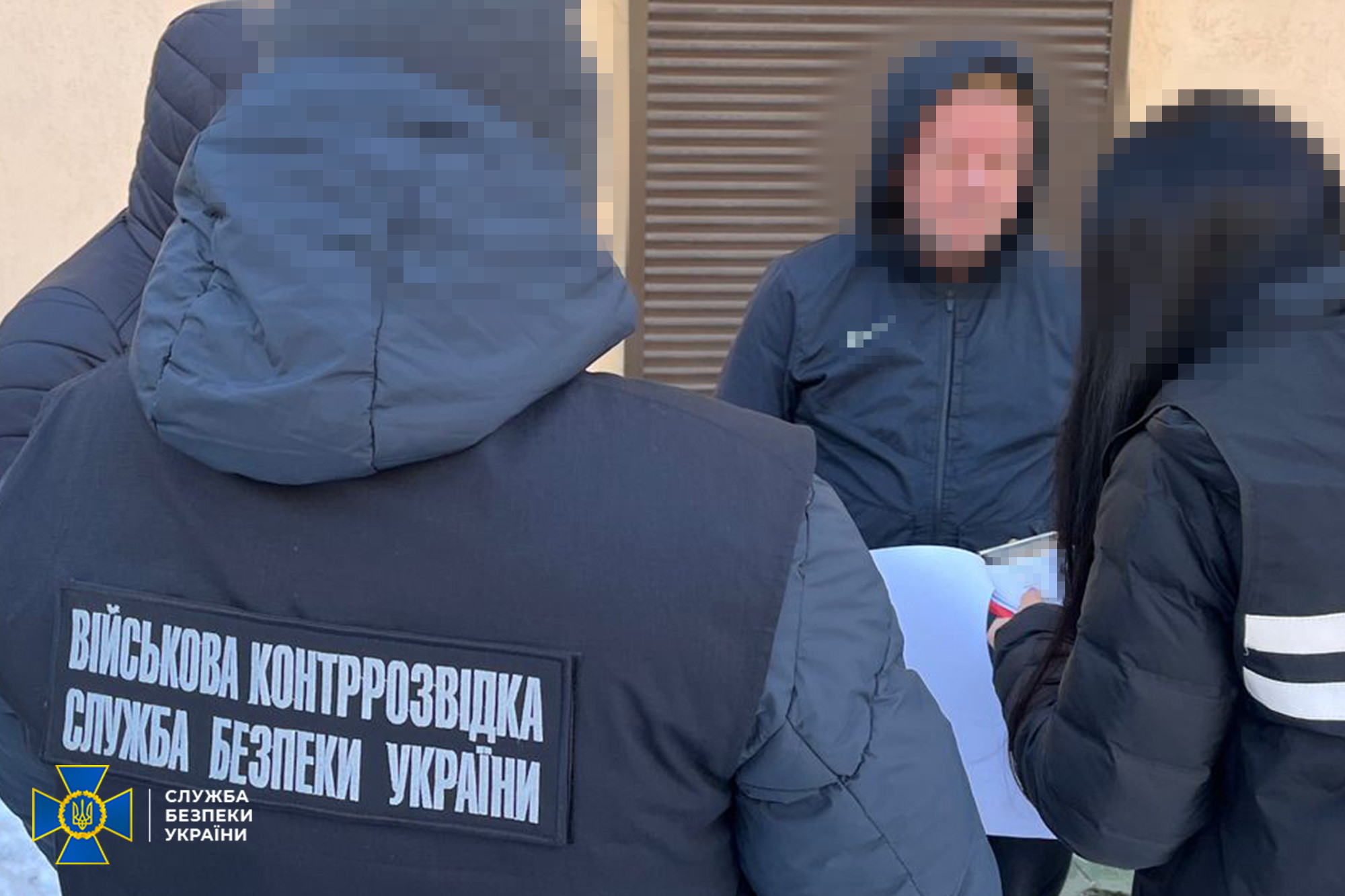
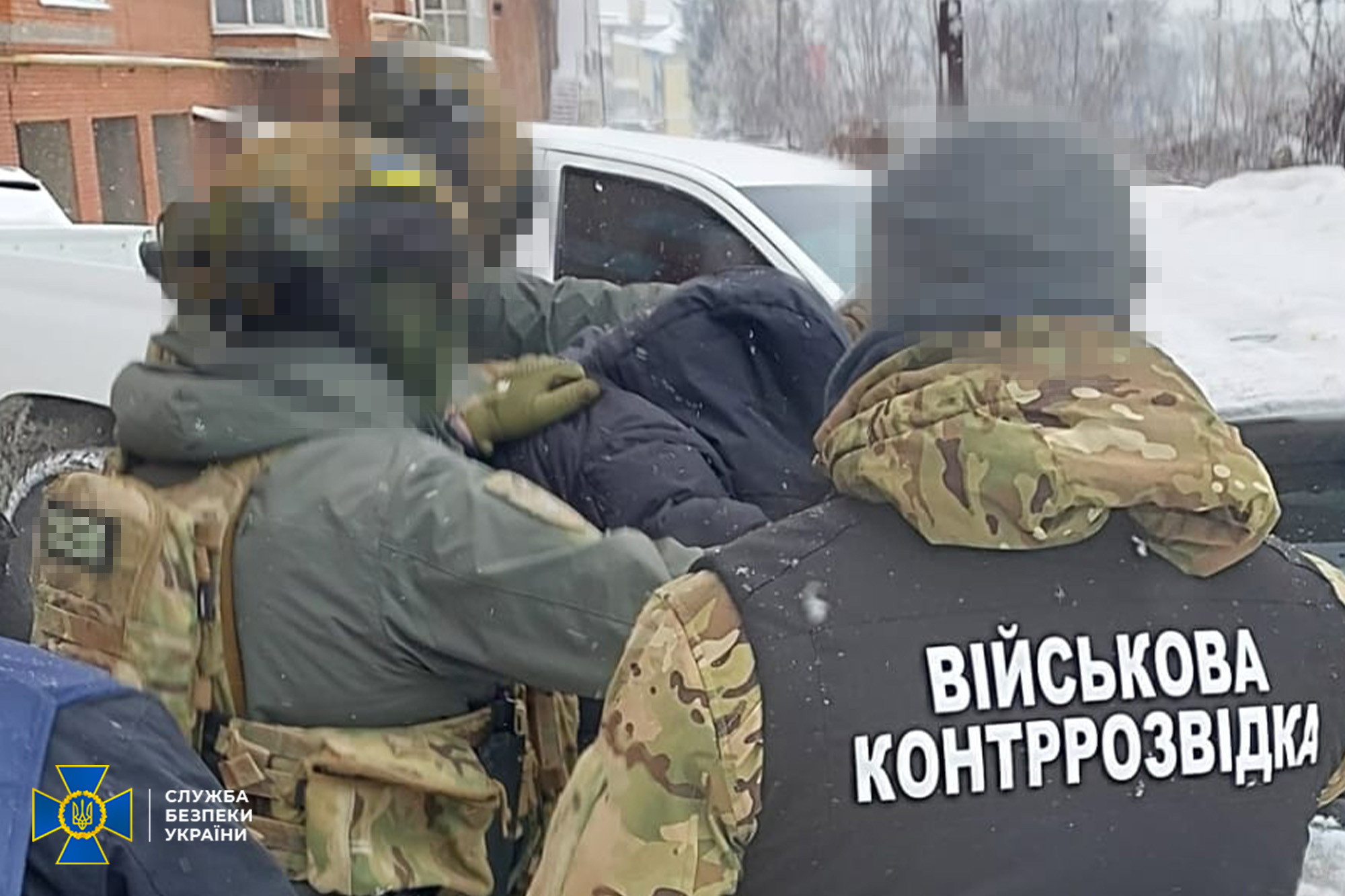
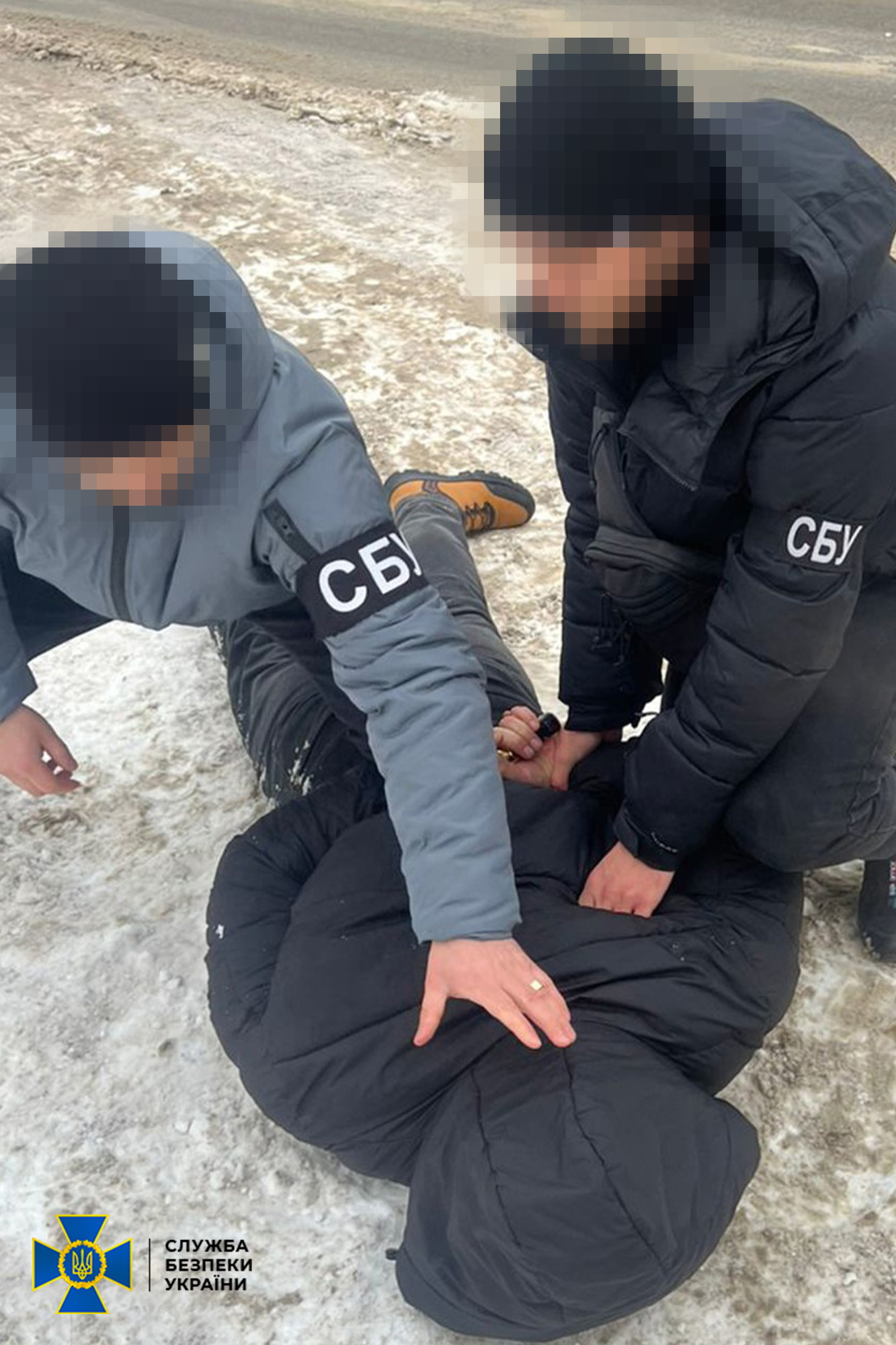
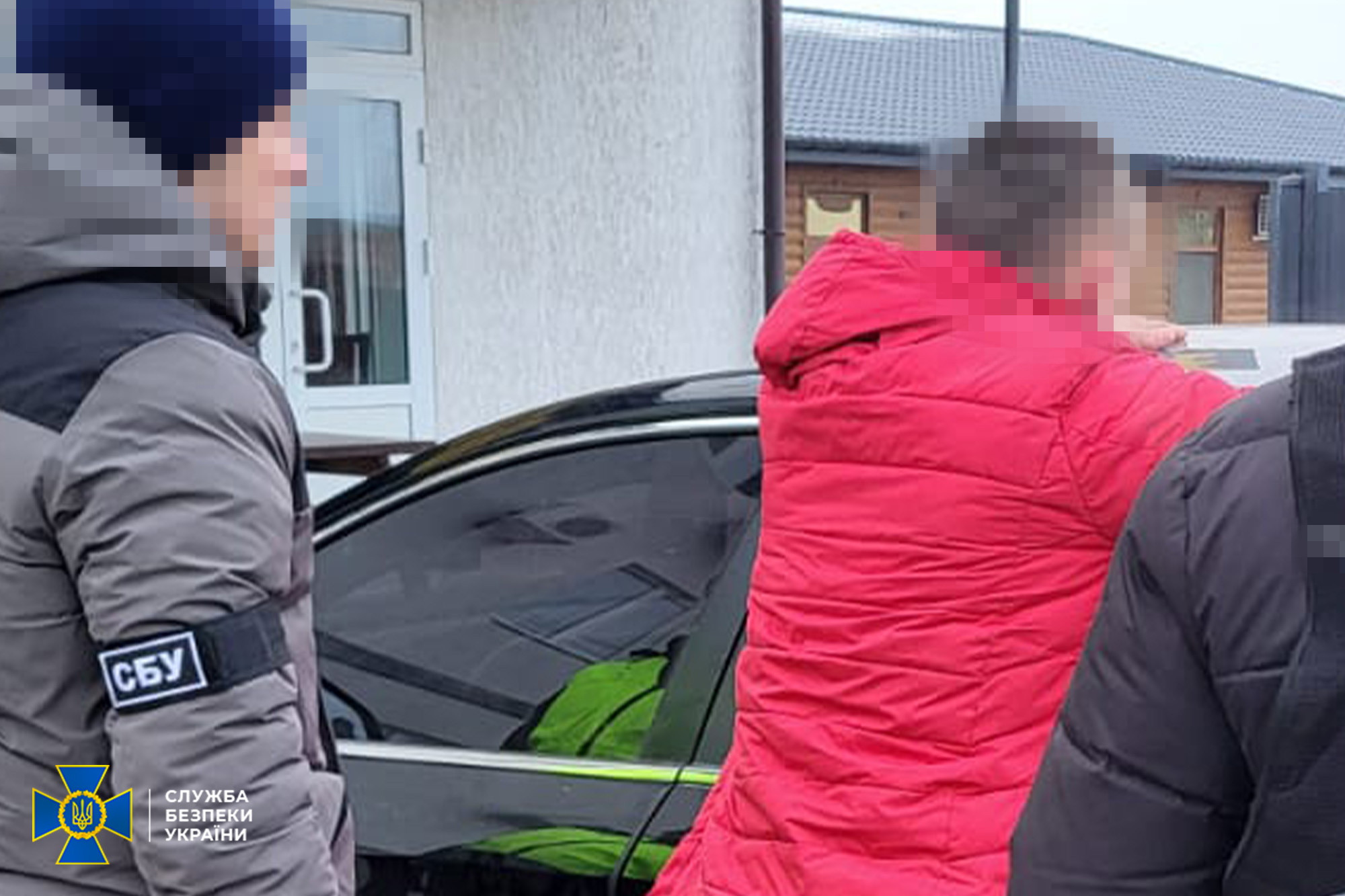
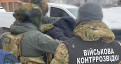
The Security Service of Ukraine and the National Police have uncovered another eight schemes to evade mobilisation and illegally cross the Ukrainian border. Sixteen organisers have been detained.
They offered their help in evading conscription for sums ranging from USD 3,000 to 16,500.
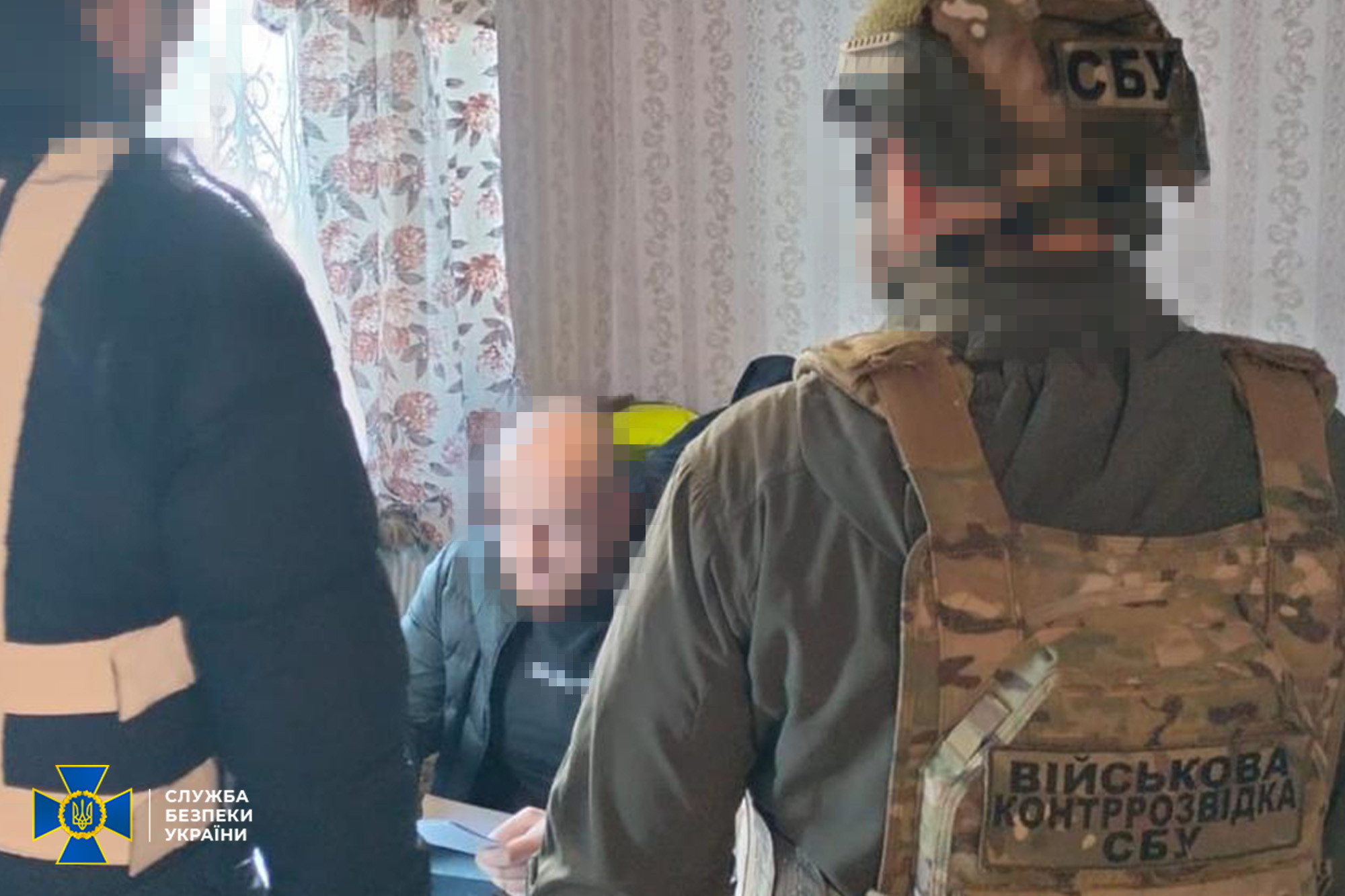
In Kharkiv, the SSU Military Counterintelligence detained a contract serviceman who offered mobilised men to flee to the EU through the forests of western Ukraine.
He promised to involve his acquaintances – ‘rangers’ from the border area – who were to guide ‘clients’ to the neighboring country evading the checkpoint.
In Lviv, the SSU detained another suspect. He turned out to be the head of a unit at the Armed Forces training centre who organised a channel for soldiers to go AWOL.
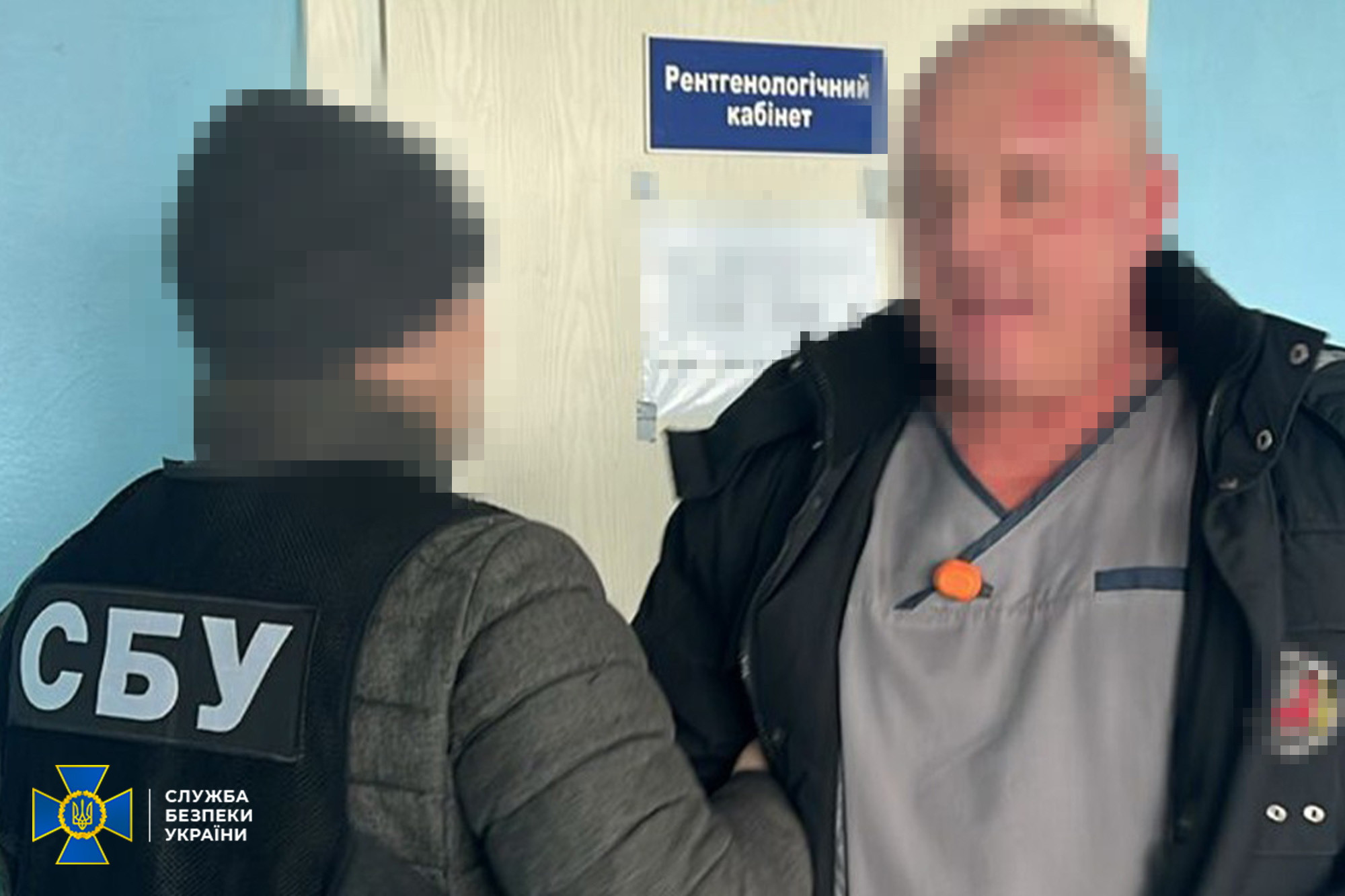
To do this, he enlisted the help of his pals from the medical unit, who issued the men with fictitious referrals for treatment outside the military unit, to which they never returned.
In Chernivtsi, seven more organisers were exposed. Through their connections in the Territorial Recruitment Centres, they forged documents for fictitious enlistment in military service.
In Khmelnytsky region, the SSU Military Counterintelligence detained the organizer of another draft dodging scheme. He is a local resident who, through members of an Expert Team for Assessing a Person’s Daily Functioning (formerly MSEC), sold fake certificates of disability.
In Zhytomyr region, two TRC officials and their former colleague were detained for removing draft dodgers from the wanted list in exchange for bribes.
In Vinnytsia region, a 49-year-old unemployed man was caught red-handed driving draft evaders to the border in his car and showing them how to escape through forest paths to Moldova.
In Poltava region, another perpetrator was apprehended. Together with a family doctor-therapist, he provided evaders with fictitious certificates of serious illness of their relatives. Using these bogus documents, the ‘clients’ received a deferral ‘due to the need to care for the sick’.
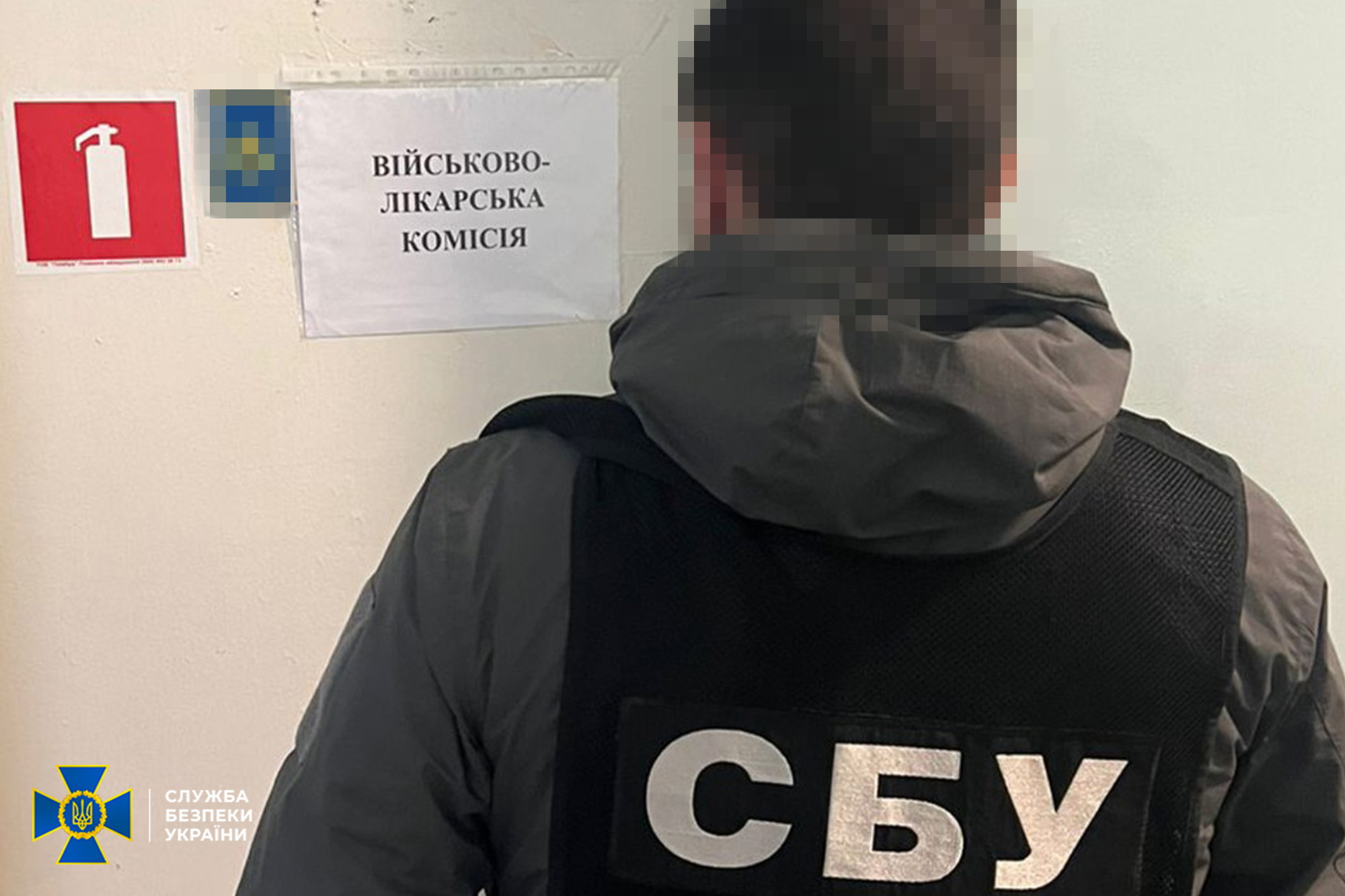
In Donetsk region, an entrepreneur was detained for trading in forged medical certificates from the military medical commission about ‘poor health’ and enrollment in rear units. To operate the scheme, he involved accomplices – officials of the Military Medical Commission and the Territorial Recruitment Centres.
The persons involved in the schemes have been notified of suspicion, according to the offences committed, under several Articles of the CCU:
- 368.3 (acceptance of a proposal, promise, or receipt of unlawful benefits by an official);
- 332.3 (illegal transportation of persons across the state border);
- parts 1, 2, and 3 of Article 369-2 (obstruction of the lawful activities of the AFU, abuse of influence, committed by a group, upon prior conspiracy);
- 358.3 (forgery of documents, seals, stamps, and forms, sale or use of forged documents, seals, stamps, committed by prior conspiracy, by a group).
The suspects face up to 10 years in prison with confiscation of property.
The operations were carried out jointly with the National Police under the procedural supervision of Prosecutors’ Offices.